
Yunlin
Top 7 Must-Visit Yunlin Attractions|Bucket List Guide
 1
1Beigang Chaotian Temple
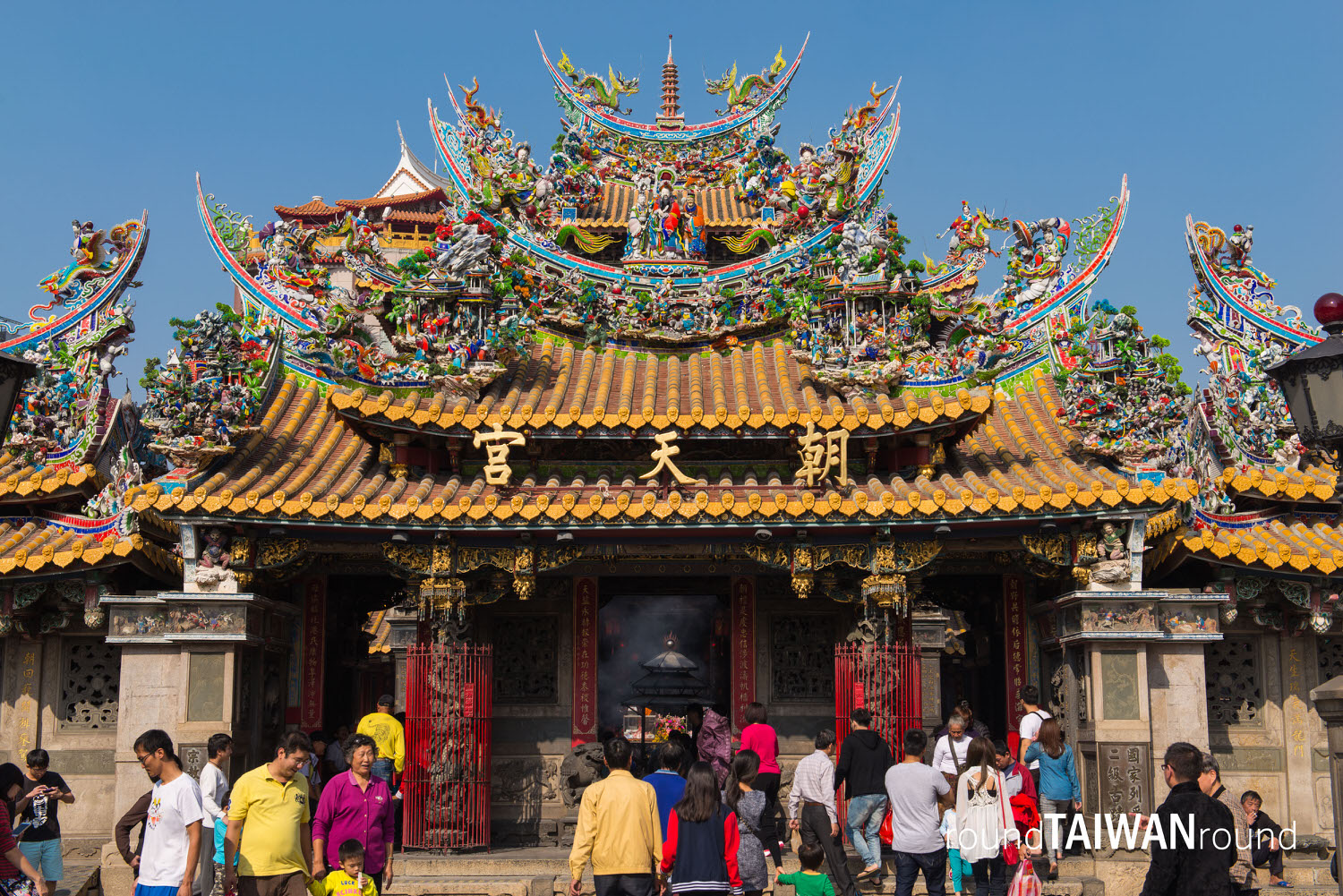
Yunlin’s Beigang Heavenly Temple was built in 1694 and has more than three hundred years of history. The temple is dedicated to the goddess Mazu, featuring many statues in her honor. Among these statues, the two most impressive are the biggest - Zhendian Mazu in the middle of the temple - and the smallest, Meizhou Mazu. Inside the temple there is a considerable number of artifacts, such as stone monuments, dragon columns, and two horizontal inscribed boards of the previous Taiwan governor Chiang Ching-kuo. The wooden Bagua caisson ceiling at the entrance to the temple is exquisite, and a wonderful example of classic Taiwanese temple architecture. The aroma of incense here is overwhelming; whether on weekdays or holidays, there are always many people who come here to pray. But no more so than during the annual Lunar New Year, which is the pilgrimage season for the temple. During this period you can see a variety of traditional folk activities held here. Before and after the annual Lunar New Year on the 23rd day of the third month, the grandness of Mazu’s birthday parade celebrations will leave you unable to sleep all night.
On one side of the temple is situated an abandoned western-style building constructed in 1912, making it the first example of western architecture in Beigang. The location of this building was originally planned to house a Mazu Temple which had been damaged by an earthquake. But due to the Japanese colonial government’s “Japanization” project, the re-consturction of local buildings was not encouraged. Therefore, there was a compromise made that the building would be western in design but would feature the same roof as a temple.
Nearby you can also find many delicious temple cuisine, such as Huihuang beef soup (輝煌牛肉湯), Shenxian plum juice (神仙酸梅湯) and Fuan Duck (福安鴨肉). There are also many shops selling pastries and dry goods In the streets surrounding the temple. Come here to enjoy the religious monuments at Beigang’s Heavenly Temple on your pilgrimage, but do not forget some food-sampling on your way!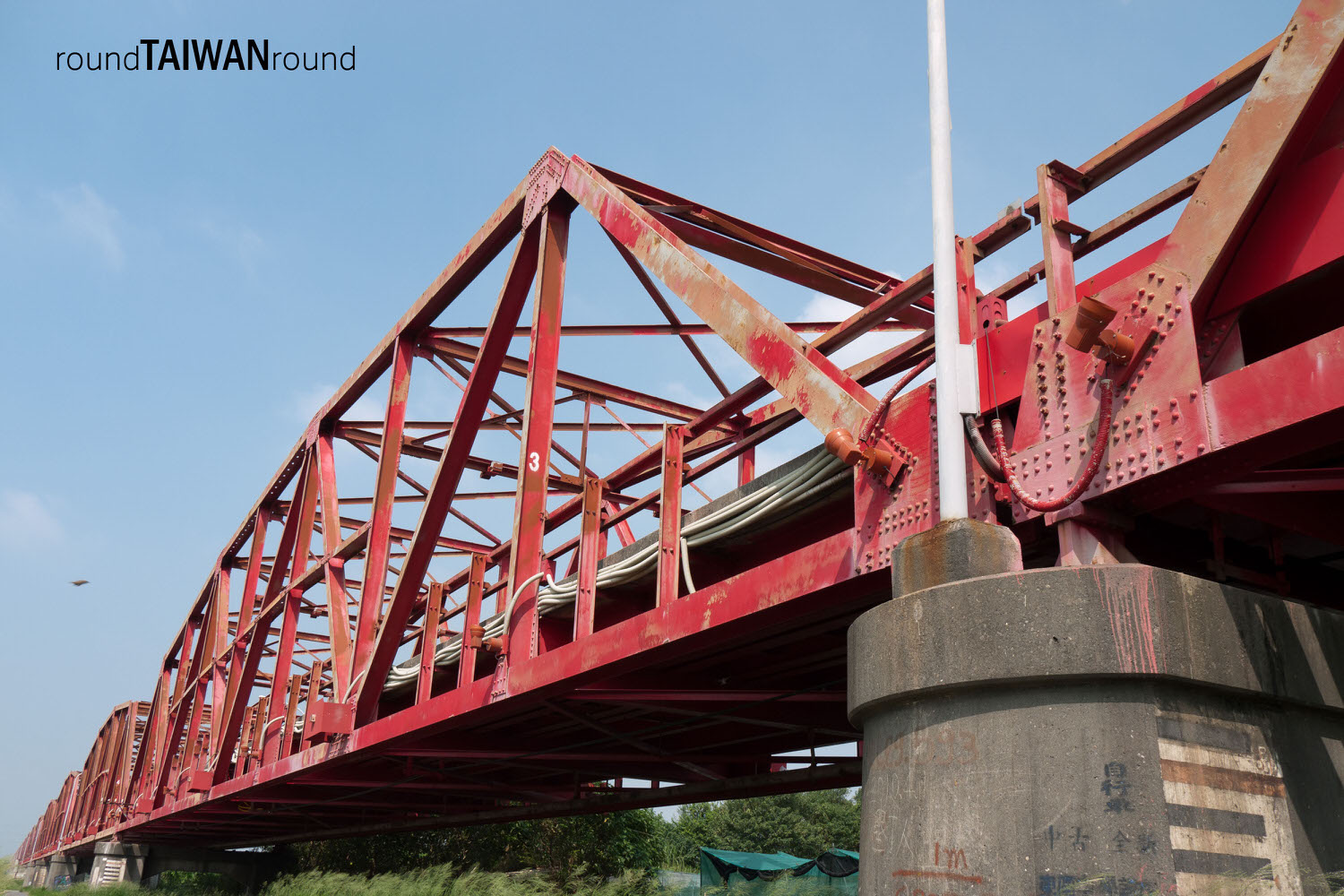 3
3Xiluo Bridge
This red bridge crossing Zhoushui River (濁水溪) to connect Changhua and Yunlin had been started to construct since Japanese Colonial Era. The schedule was delayed for a long time as purposed building materials were used up for military use during WWII. Eventually, it was completed in 1953 with assistance from America. At the time of completion, it was the second largest bridge in the world, just next to Golden Gate Bridge in San Francisco. Apart from road for vehicles, its deck of nearly two kilometers was also shared by railway for sugar transportation. The image of this bridge could be seen on TWD10 bill released in the year of 1963, revealing its importance and symbolic meaning over transportation development of Taiwan. As time goes by, this bridge has become less crucial in this area, and was once proposed to be demolished for aging. Luckily the motion was rejected under local residents’ petition. Nowadays, this historic bridge has become an appointed stop of annual regional parade of Dajia Mazu (大甲媽祖). In March and April of every year, more than three hundred thousands worshipers would follow Mazu to cross the bridge by foot.
 5
5Yunlin Glove Puppet Museum
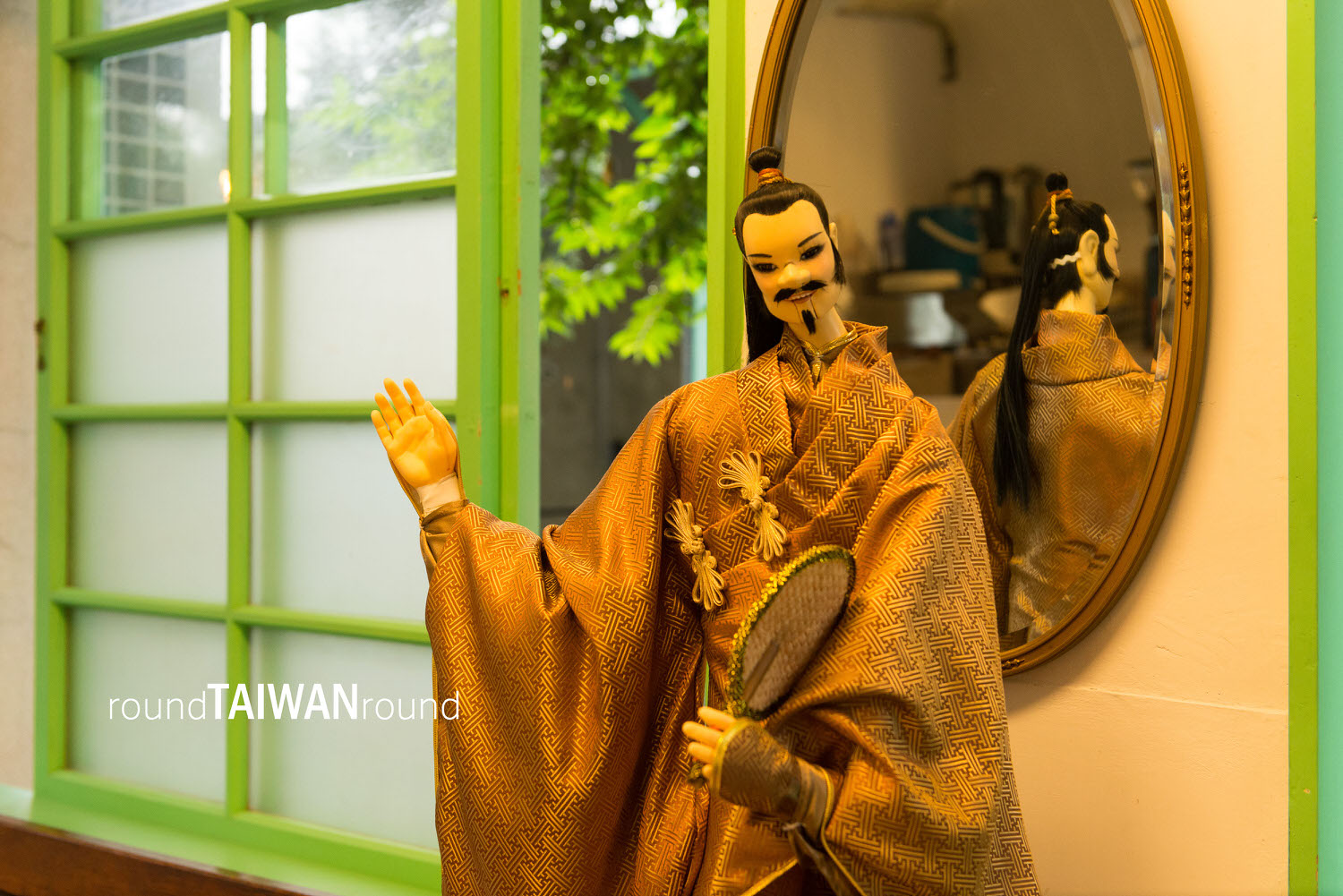
As glove puppetry is a popular art form in Taiwan, you need to make your way to the Yunlin Glove Puppetry Museum for some extra education while traveling in central Taiwan. Originated from Yunlin, Mr. Huang Hai-dai created the possibly most well-known character ever on a glove puppetry show, and that makes perfect sense why this representative museum happened to be established in his hometown.
The museum has a large collection of all kinds of puppets along with their props and costumes. During the visit, you’ll learn the in-depth history and development of glove puppetry in Taiwan. Besides the informative exhibitions, glove puppet shows are held on site from time to time. It’s a spectacle of traditional Taiwanese theatre combining with live instruments and the eye-catching effects with the light, taking the audience back to the heyday of glove puppetry.
The museum itself was converted from a police station and internally still remains the layout and many features of the police station such as cells that used to detain suspects.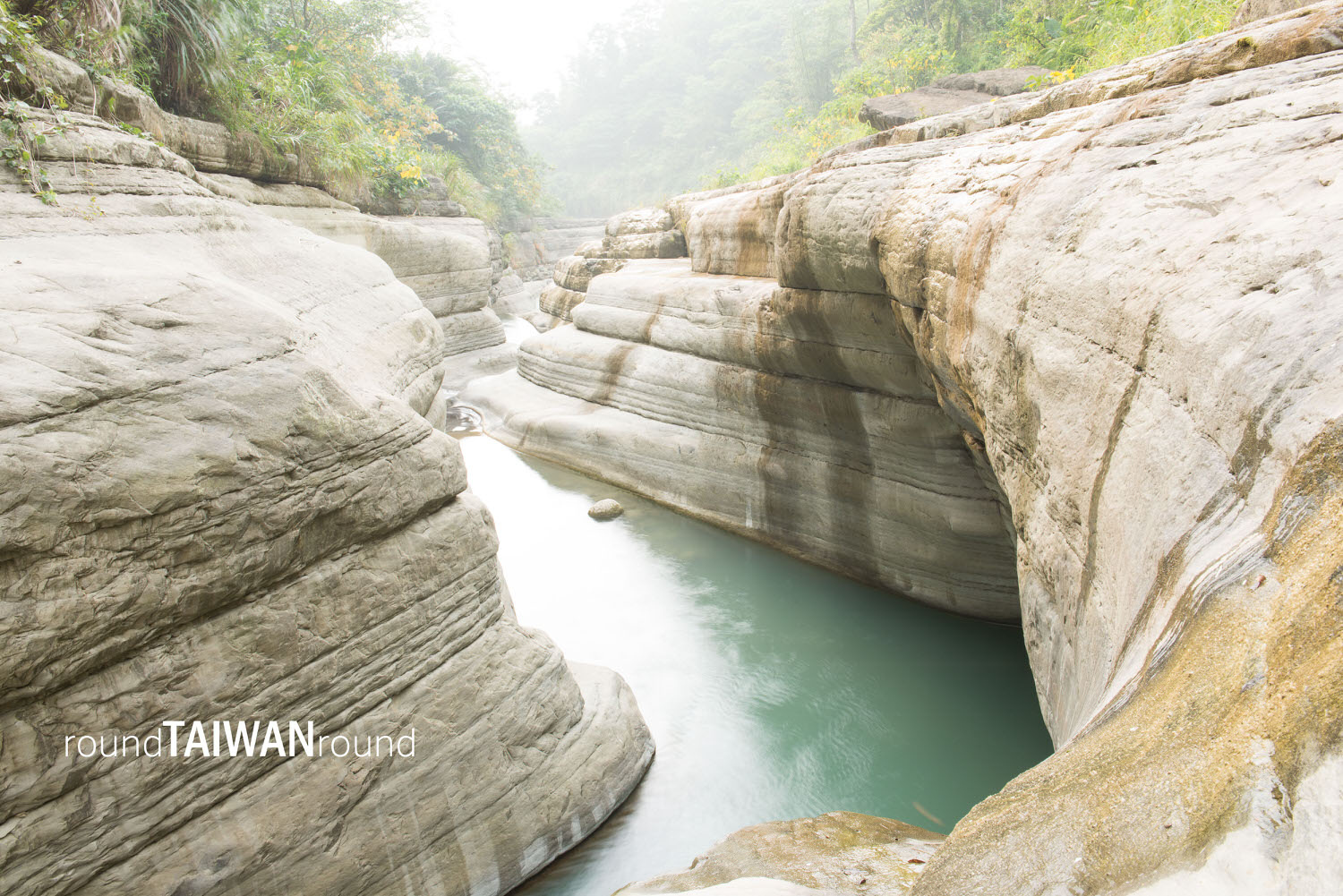 6
610000 Year Gorge
10000 Year Gorge is situated at the border between Nantou and Yunlin counties and is not far away from Chiayi County. For general tourists, the spot is not easy to get to as it takes around 1 to 2 hours’ drive no matter from Nantou County or Yunlin County through industrial roads along the mountains.
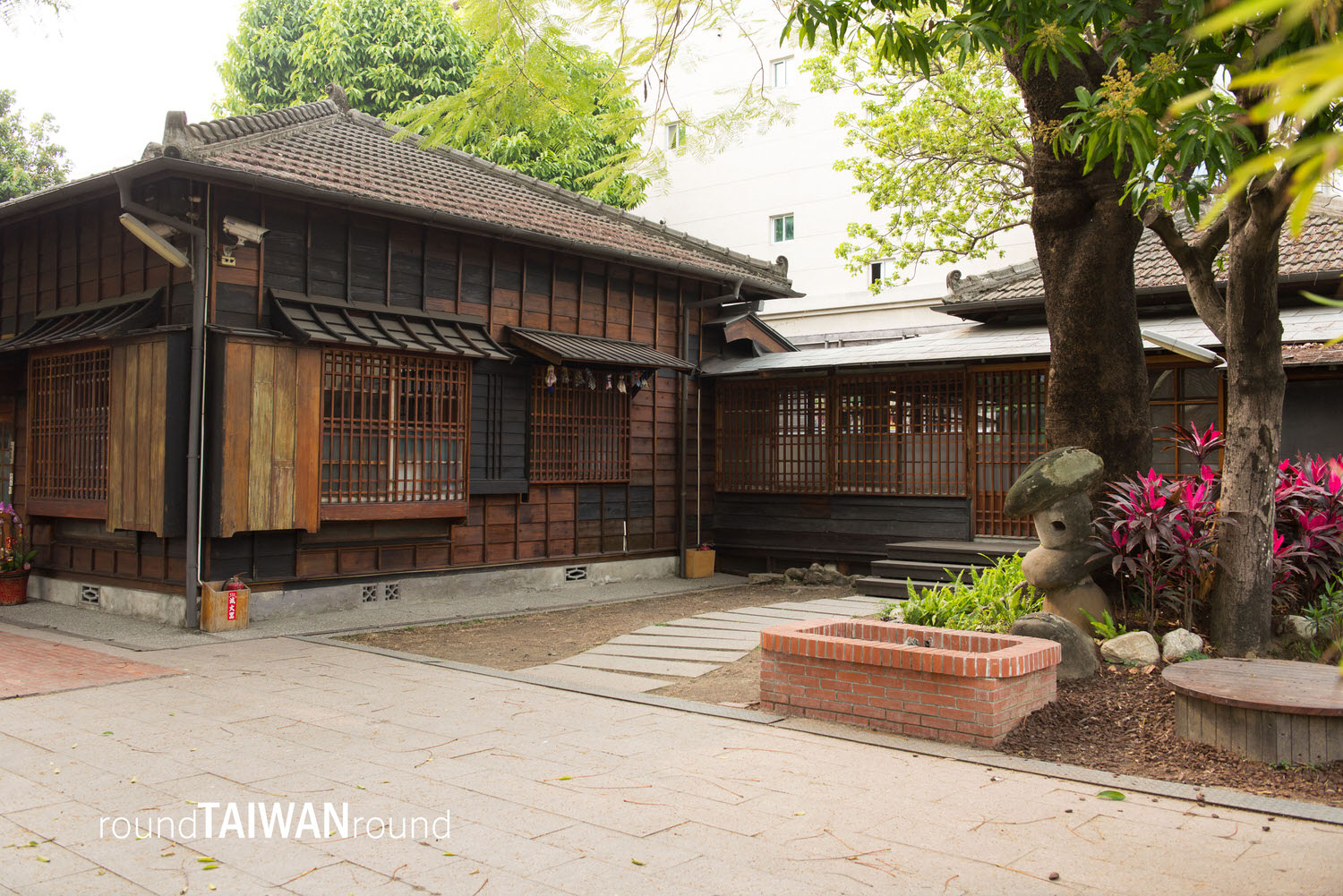
As Taiwan is an island located in the subtropical zone, it is impossible to see terrains formed by glacial movement which is common in Europe, or by river erosion that is often seen in America. However, 10000 Year Gorge, being rare in Taiwan topography, is like a mini Great Canyon with the geographic variations and stream erosion.
In addition to 10000 Year Gorge, a travel schedule including Zhushan Sky Ladder and Xitou Monster Village in Nantou County during one day is recommended.
 7
7Yunlin Story House
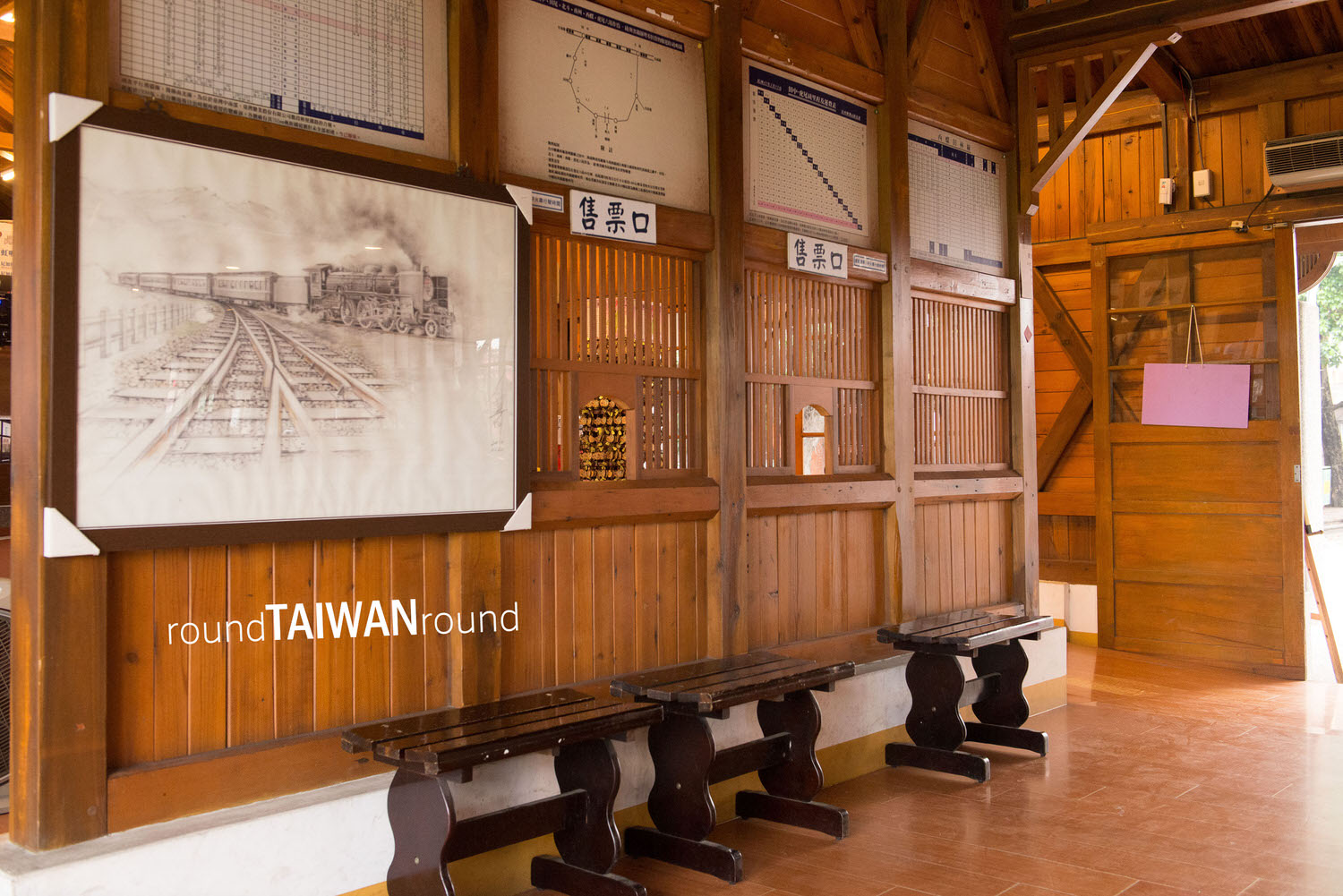
A story house, of course, is where the stories are told. Parents often bring their kids to Yunlin Story House for the reading series, where volunteers will read aloud to the little ones. Workshops designed for adults are available as well, including creative writing, writing picture books, and acting them out. Shoes must be off in the house (as they do in Japan). It's nostalgic décor together with tatami mats, shoji doors (swinging doors) and ofuro (Japanese baths) create an authentic Japanese ambiance. If you want to know more about the story behind the story house, individual or group tours are available upon request.
Dating back to the Japanese rule, Yunlin Story House had been an official residence for many generations and should have been torn down years ago due to its dilapidated condition. Eventually, it was transformed into a heritage attraction combined with cultural education and is still living its own history to the fullest.
 8
8Huwei Sugar Cane Railway Station
There is a rail network originally built to haul sugar cane in Taiwan, but today only a handful of sugar trains still transport sugarcane and carry tourists: Huwei located in Yunlin County is one of them. Preserved from the Japanese Colonial Era, this quaint little station certainly retains a Japanese atmosphere inside out. It has now been repurposed into the information center where visitors are encouraged to stop and ask questions.
Huwei and Douliu are two most visited cities in Yunlin County, so never miss out on this historic sugar railway station while in Huwei. The ticket office and timetables are preserved, which railway buffs will appreciate, and the station itself has been turned into a cultural landmark that evokes both nostalgia and excitement. Souvenirs and products unique to Yunlin are also available here. To spend a laid-back afternoon at Huwei Sugar Cane Railway Station, get yourself a drink and appreciate the view with the historic sugar train as a backdrop.
You may also step outside to watch the train carrying sugar cane from the fields into the mill. The chimneys of the old sugar mill from far off serve as a quiet reminder of the sugarcane industry’s heyday. A visit to Huwei Sugar Cane Railway Station as well as a ride on the small trains used to transport sugarcane in days gone by will definitely give you a taste of adventure, history and nostalgia.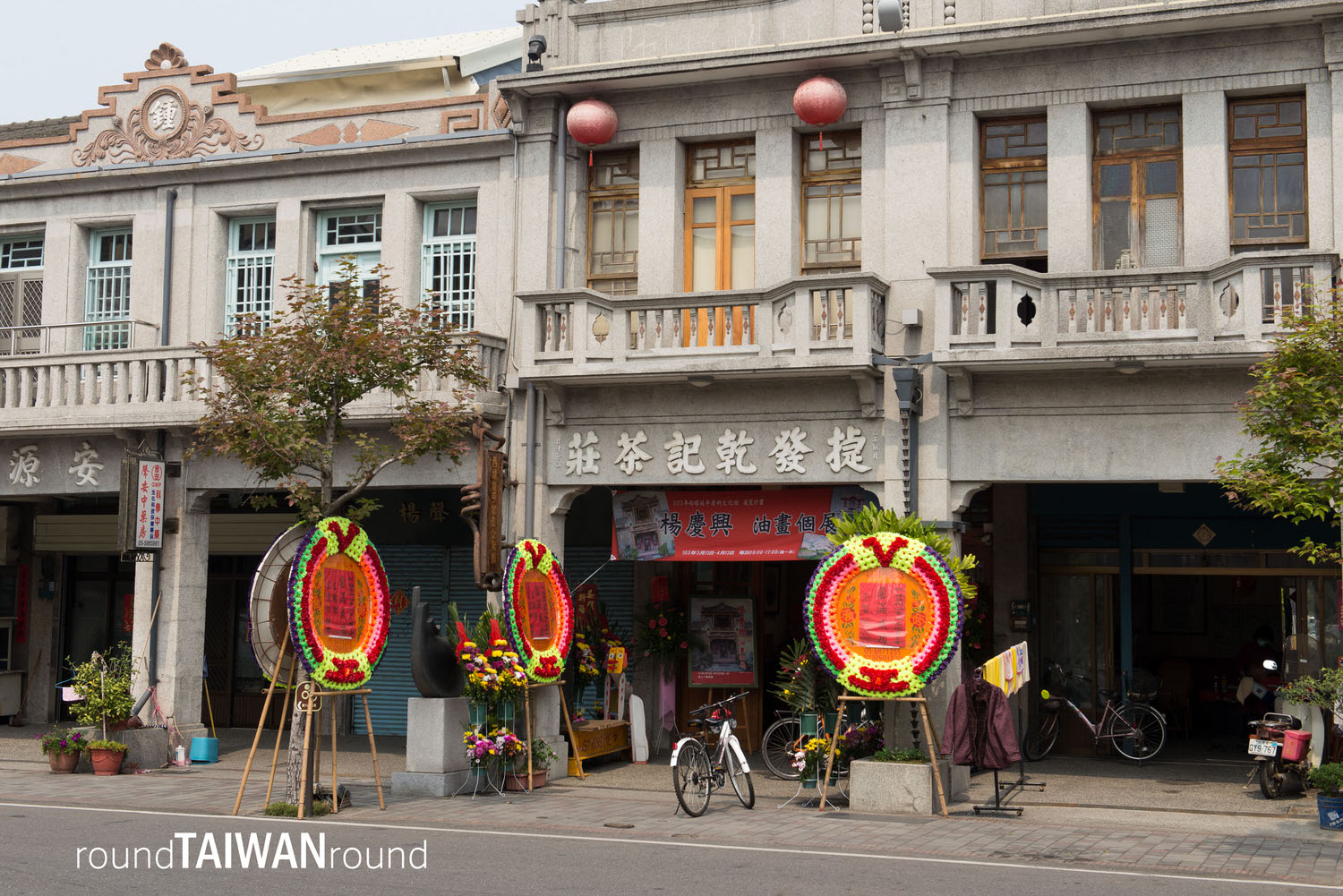 10
10Xiluo Yanping Old Street
Xiluo (西螺), Yunlin is at south coast of Zhoushui River (濁水溪), the biggest river in Taiwan. In age of agriculture, population gathered here for its rich soil. After a severe typhoon and flooding in Qing Dynasty, temples were built for invoking protection from disasters. That the high density of temples brought people here altogether and grew the place into a town. Shops and a market had brought new kind of essential economic activities other than agriculture. Later, the colonial domination by Japanese and WWII had boosted the need of its agricultural products drastically. The construction project of Xiluo Bridge (西螺大橋) was a representation of Xiluo’s golden period during 1930s and surged the price level of houses around. In that time, more than two hundreds houses were in two or more stories. The rich started to put effort on their houses. The one owned by a dentist had two asymmetrical curves on its third floor. With triangle wooden windows, this house forms a shape of tooth, which is a design beyond the fashion in that time.
After KMT (Chinese Nationalist Party) retreated to Taiwan, plan on city development and industrial focus was changed, leading to a downturn of Xiluo’s importance. Younger population started to move to urban area and eventually desolated the town. Yet, the situation has changed when the need of economic development and heritage conservation meet. Sightseeing tourism starts to attract people back to Xiluo. Lots of houses are open for public, allowing a peep into the life of businessman in past. The East Market (東市場) where used to gather stalls and shops is injected with new blood of culture and creativity. Cafe and art gallery bring new usage to these old houses. The herbal tea (青草茶) at corner and Sanjiao Dashuijiao (三角大水餃) in alley fill leaving visitors up with nostalgic memories.