

Kinmen
Top 7 Must-Visit Kinmen Attractions|Bucket List Guide
 1
1Zhaishan Tunnel
 3
3Lion Mountain Base
 4
4Guningtou War Museum
In 1949, Chinese communist forces launched a night attack on Kinmen and fought a pitched battle with R.O.C. troops for 56 hours before finally being repulsed. More than nine hundred Communist soldiers were taken captive, and the island accordingly fell in the hands of the Kuomintang (Nationalists). Henceforth, the current status quo relationship across the Taiwan Strait began.
The area where the battle was fought is now known as "Guningtou Battlefield". To commemorate the bloody battles that once happened here, the local military and civilian population set up the "Guningtou Battle Museum" in 1984, housing exhibits of historical materials, equipment and weaponry from the battle. As the battle didn’t last long, there are not many archival records left to provide a historical snapshot of this significant event. Instead, twelve large-scale oil paintings are displayed in the museum to illustrate the whole battle in vivid details.
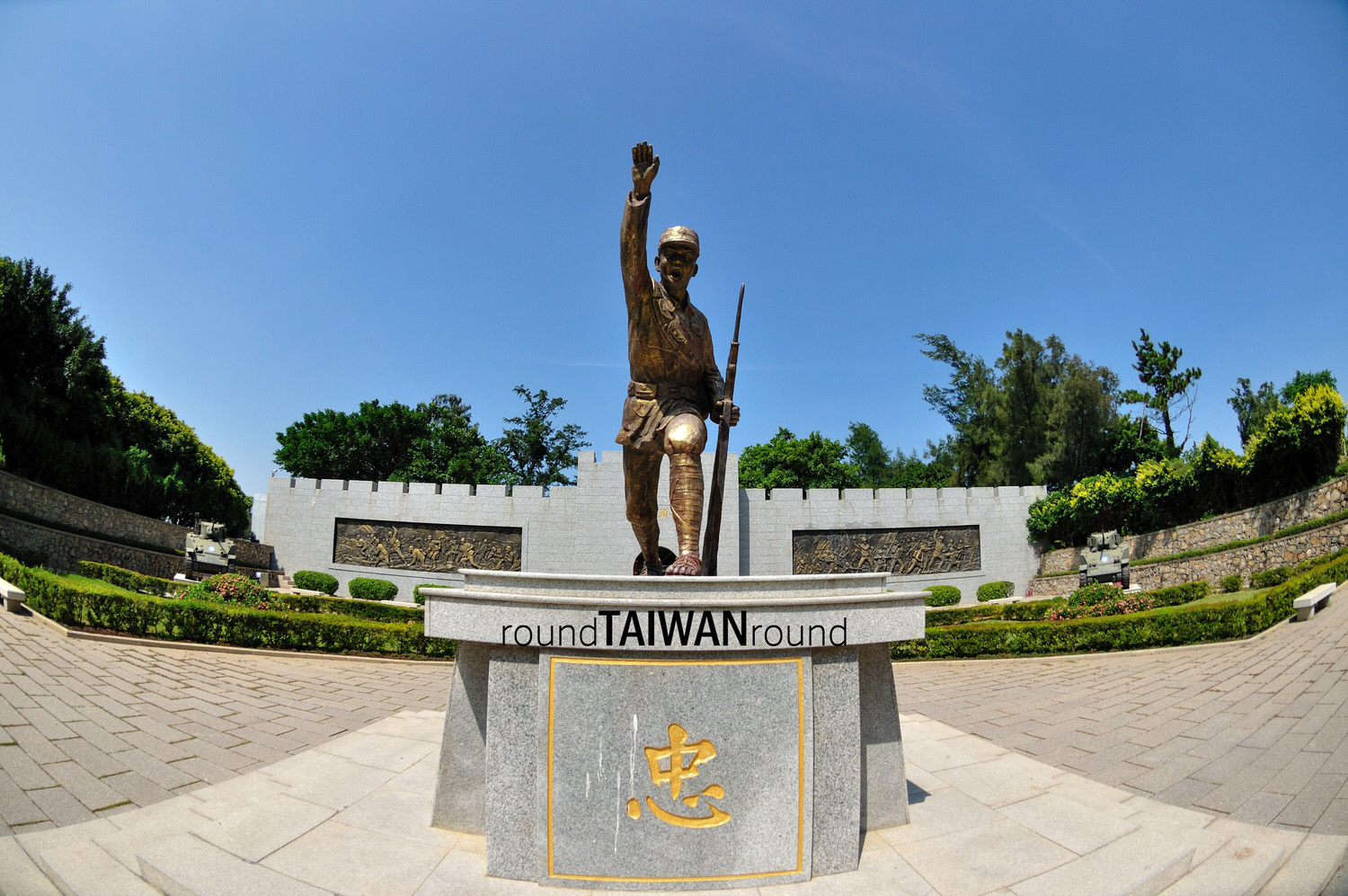
Outside the museum, a bronze statue of a soldier is erected and serves as a stark reminder of the fierce battle. However, rumor has it that originally, it was another statue displayed in the same spot, and that the early years of the museum were abound in supernatural events. The management decided to replace the statue with a new one, and the supernatural events seemed to quiet down from then on.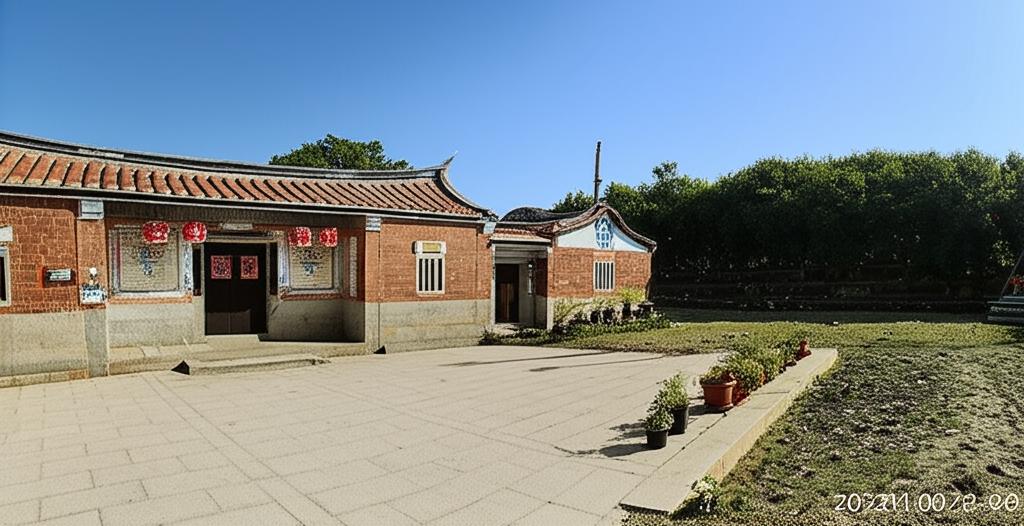 6
6Deyue Tower
Deyue Tower, located in the Shuitou settlement of Jincheng Township, Kinmen County, has been an important historical building in the area since its completion in 1931. The name "Deyue" comes from the phrase "a pavilion near the water catches the moonlight first," suggesting that the tower, situated by the water, is ideally placed for viewing the moonlight. This poetic name resonates with its historical and cultural background.
The structure was designed by craftsmen from Fujian and features an elegant blend of Eastern and Western architectural styles. Initially, it served as the mansion of a local wealthy family, but due to a robbery incident in 1923, Deyue Tower was renovated into a building with defensive capabilities. Inside, it is equipped with gun ports and racks, as well as hidden escape routes to facilitate quick exits in emergencies. These features reflect the challenging historical context of Kinmen and the ingenuity of its people.
Deyue Tower's unique structure, which includes multiple stories, various false ceilings, and secret passages, highlights the architectural skills and practical considerations of the time. This building is not only an important defensive fortification for Kinmen but also a fusion of culture and aesthetics. It has been selected as one of Taiwan’s historical architectural treasures, embodying the local customs and atmosphere of Kinmen.
Located at No. 45, Qianshuitou, Jincheng Township, Kinmen County, Deyue Tower is open for free visits every day from 8:30 AM to 5:00 PM. During their visit, guests can admire historical artifacts and precious collections within the tower while gaining insights into the social life of Kinmen in earlier times.
In addition to Deyue Tower, there are other nearby attractions such as the Huang Hwei-Huang Western-style house and the Overseas Chinese Cultural Exhibition Center. Together, these sites weave a narrative of Kinmen’s history and culture, allowing visitors to delve deeper into the island's past. Notably, the nighttime view of Deyue Tower is also captivating; the illumination at night enhances its distinctive appearance, making it a must-visit location for photography enthusiasts.
 7
7Jincheng Old Street
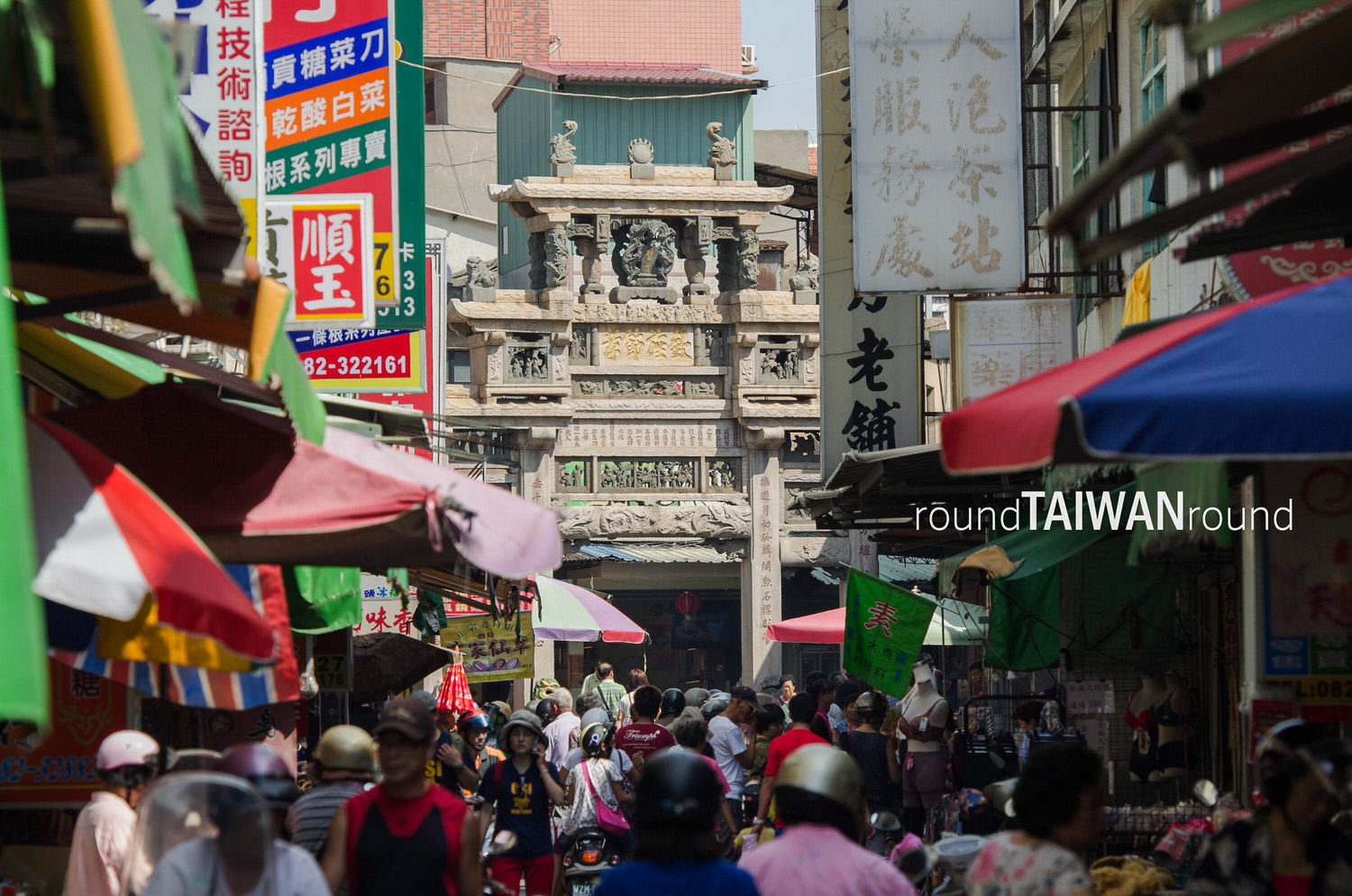
Your hungry tummy is growling and you still don’t know where to find the best food in Kinmen? As Jincheng is the only major town of Kinmen, just make your way to the hottest spot in town — Jicheng Old Street.
When you get there, try the silkiest Cantonese congee (also known as jook) served with deep-fried breadsticks, and do not miss oyster fritters. Don’t ask why. The briny, plump sensation of the oyster in your mouth will explain everything. For those with greater-than-average appetites, a lot more specialties out there such as oyster vermicelli and deep-fried rice cakes (very similar with turnip cakes) will delight you.
You may find the flavors of these local delicacies slightly different from those you have tried on the main island of Taiwan, but both are utterly delicious, that’s for sure!
 8
8Taiwu Mountain
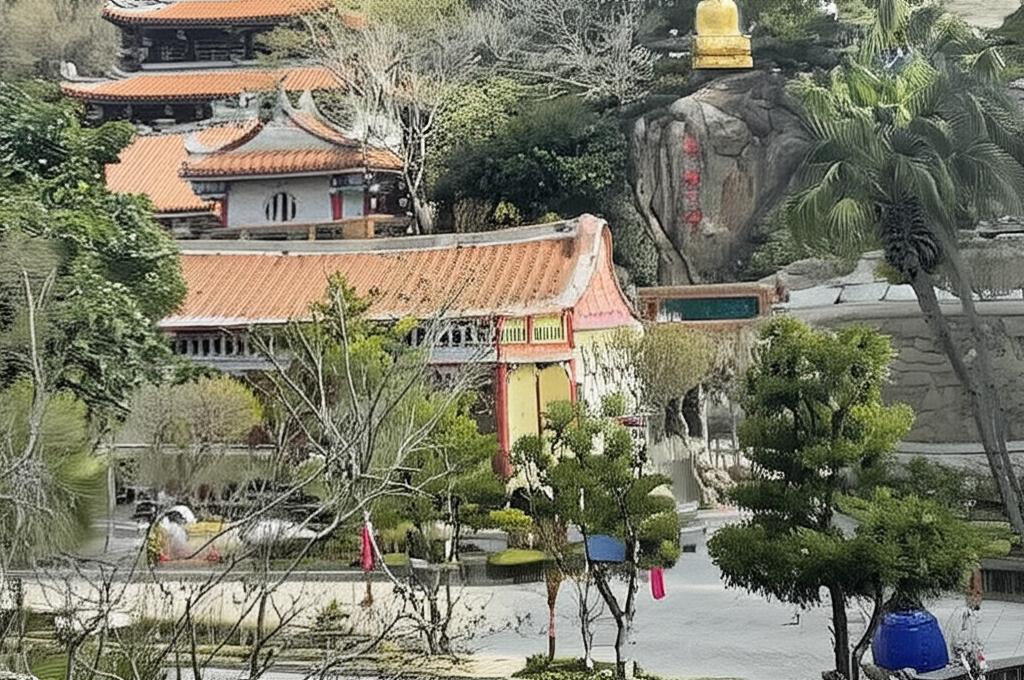
Taiwu Mountain is the highest peak on Kinmen Island, standing at an elevation of 253 meters. This mountain is not only a representative of natural scenery but also a historical testament to military defense. As one of Taiwan's minor peaks, Taiwu Mountain was historically the core area for the Kinmen Defense Command, housing numerous military outposts. It wasn't until cross-strait relations began to gradually ease that Taiwu Mountain opened to the public, transforming into a popular attraction that draws many visitors.
The natural landscape of Taiwu Mountain is renowned for its spectacular granite formations, with a mountain shape likened to "an immortal reclining on the ground," endowing the area with a unique aura. Within the mountain, visitors can encounter several inscribed stones, such as the "Do Not Forget in Juchi" stone, which was personally inscribed by Chiang Kai-shek to encourage both military personnel and civilians to maintain a spirit of resistance. On the other side of the mountain lies Haiyin Temple, a historic ancient shrine established during the Song Dynasty, boasting over 800 years of history. Every year, on the ninth day of the lunar calendar, the local residents ascend the mountain with family to offer prayers, fostering a lively and devout atmosphere.
Taiwu Mountain features various hiking routes, each with its own characteristics. The Front Mountain Route is the most popular one, with a gentle terrain suitable for visitors of all ages, allowing them to enjoy the "Do Not Forget in Juchi" stone and Haiyin Temple along the way. The Back Mountain Route is comparatively challenging but still leads to the inscribed stone, with additional slogans like "Human Will Overcomes Nature" adding to the rich historical ambiance. The Doumen Old Trail is designed for adventurous hikers, composed of a mix of stone steps and granite, culminating at notable sites such as the Reflection Tower and Ancient Stone Chamber. Meanwhile, the Caicuo Old Trail is paved with natural rocks, reminding hikers that a certain level of physical fitness is required.
Due to the various ancient paths and hidden spots on Taiwu Mountain, incidents of getting lost and accidents have occurred in recent years. Consequently, the Kinmen County Fire Bureau and the National Park Management Office regularly conduct safety drills, advising visitors to travel in groups and to be mindful of weather conditions and their own physical state to ensure safe hiking experiences. If you wish to learn about Kinmen's history and natural beauty, Taiwu Mountain is an indispensable destination.
 10
10Qionglin
Among many other traditional villages in Kinmen, Qionglin stands out from the rest with its myriads of historic houses and temples. It is also home to a wealth of scholars passing the highest imperial civil service examination, who therefore became “Jinshi” (official).
The village of Qionglin is beautifully constructed of red bricks, and the quaint houses are topped with swallowtail roofs that consist of ornate sickles curling up into the air at the ends of a roof’s ridge which resembles the tail of a swallow. These are very prominent parts of the traditional Minnan architecture. In 1949, Chinese communist forces launched a night attack on Kinmen and fought a pitched battle with R.O.C. troops for 56 hours before finally being repulsed. The area where the battle was fought is now known as "Guningtou Battlefield.” However, the Chinese communist forces were supposed to land on Qionglin, but a whiff of north wind changed their route. The lucky village therefore got to stay intact after the war.
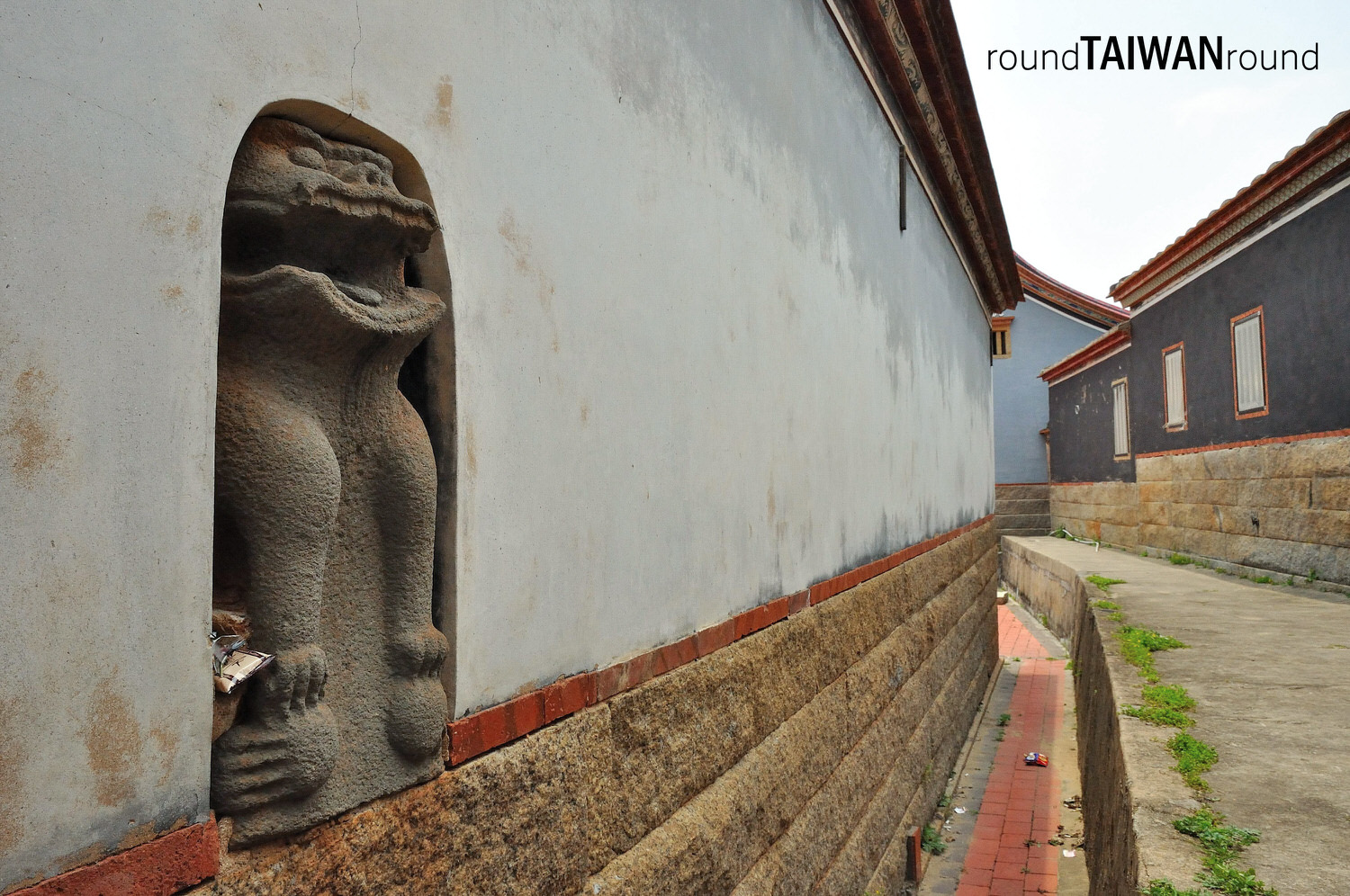
Every single village on the island of Kinmen has at least one guardian lion that wards off evil spirits, and the ones in Qionglin are said to be the grandest and largest. You never know where they hide themselves, so just hit the road and look into every corner of the island — you will be happily surprised!