
Taipei
Top 9 Must-Visit Taipei Attractions|Bucket List Guide
- 1
Taipei 101
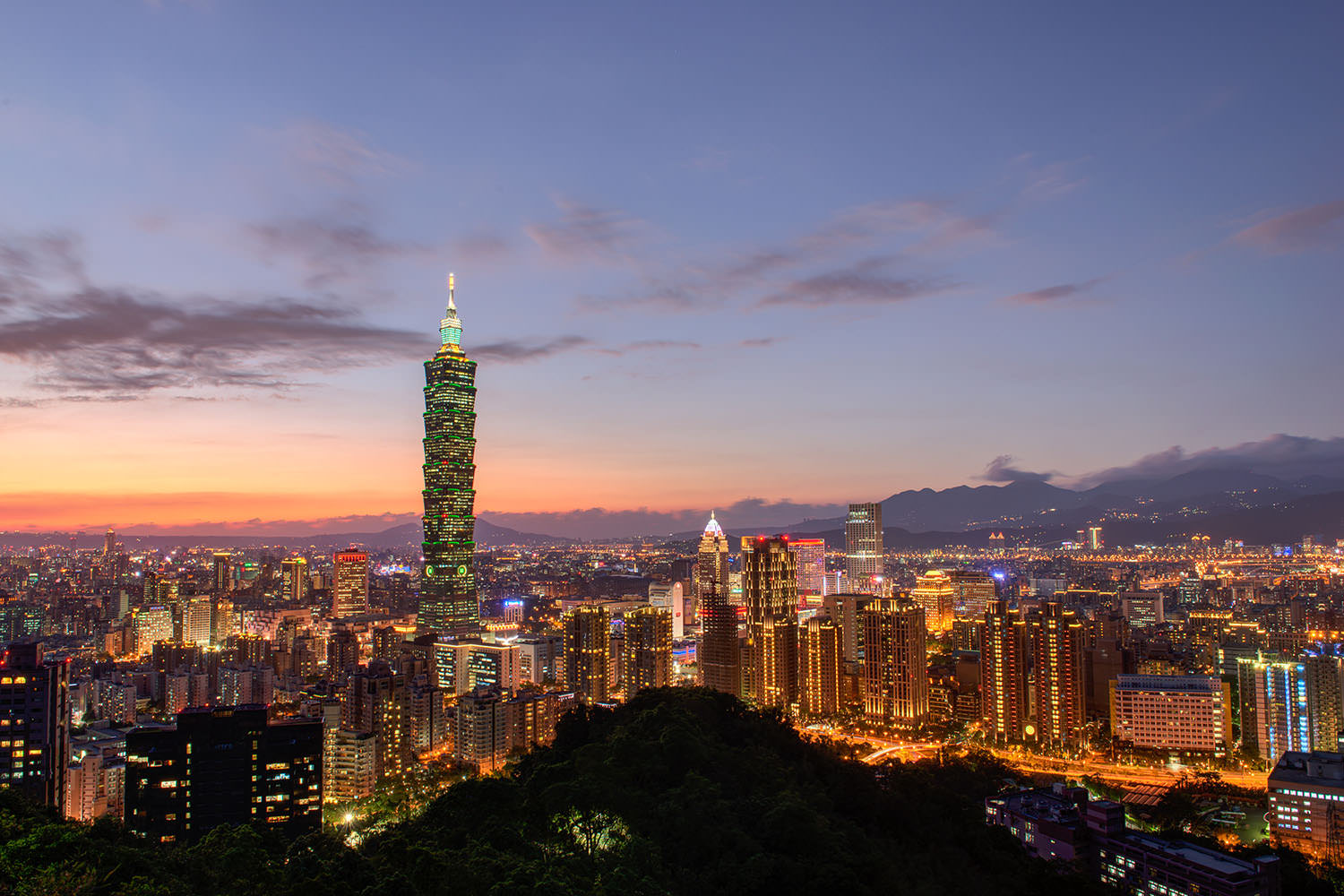
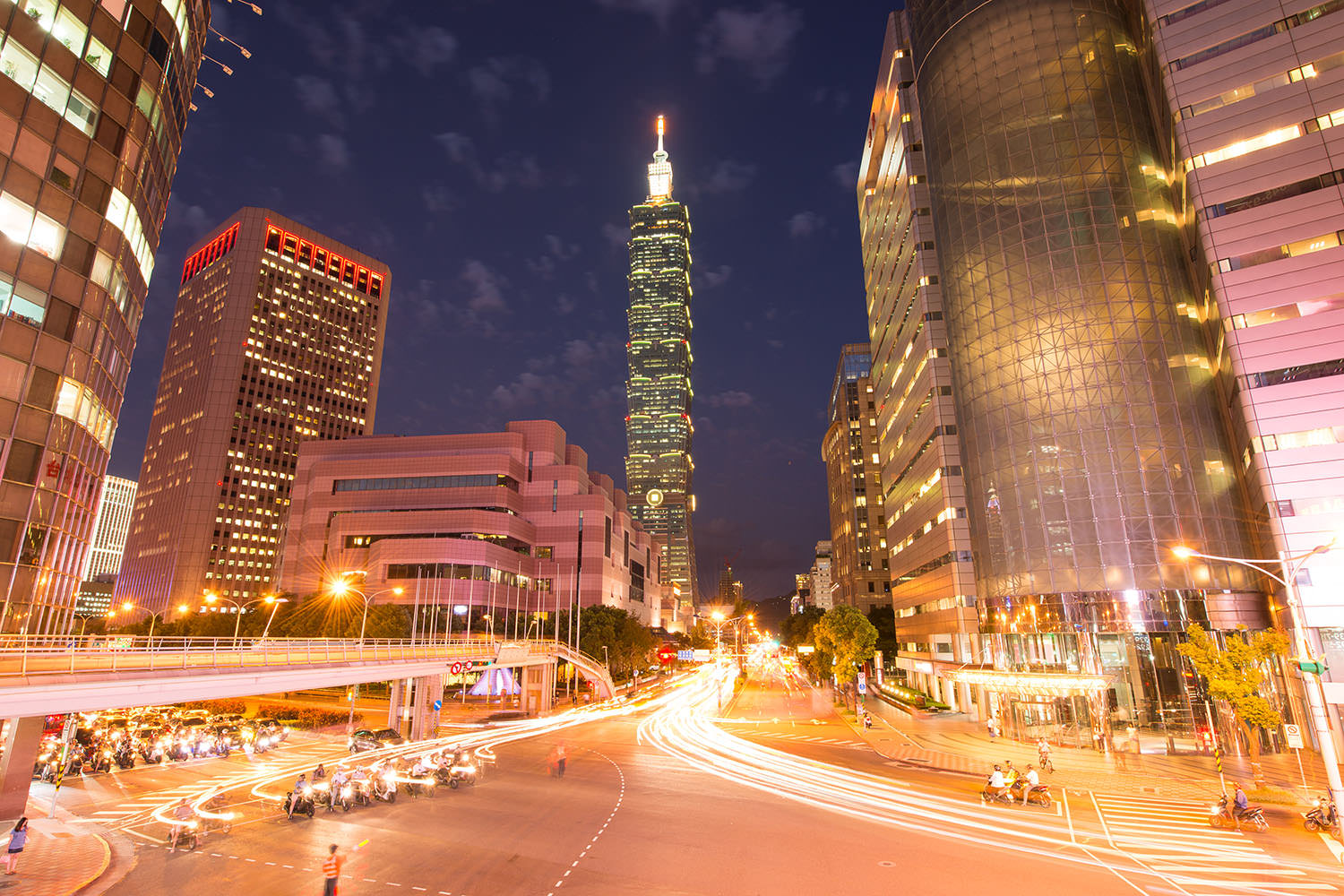
Taipei 101 (台北101), the most famous landmark in Taipei, was once the world's tallest building for six consecutive years and remains the world's tallest ""green building"" to this day. As an international hub for business, leisure, culture, and shopping, it hosts a spectacular fireworks display every New Year's Eve and boasts an excellent observation deck on the 89th floor, offering stunning views of the entire city from a height of 388 meters.
With 101 above-ground floors and 5 underground levels, Taipei 101 (台北101) is essentially a self-contained mini-city. Its most internationally renowned events are the annual Taipei 101 (台北101) Run Up race and the New Year's Eve fireworks display.
For shopping enthusiasts, Taipei 101 (台北101)'s shopping mall features a wide range of international fashion brands such as Louis Vuitton, Dior, and Brooks Brothers. The elegant and comfortable atmosphere allows for a leisurely and enjoyable shopping experience. After a day of shopping, visitors can indulge in delicious cuisine from Taiwan, the West, and Asia at the international dining floor.
Perched atop Taipei's highest point, the 89th floor observation space and the 91st floor observation deck offer the opportunity to fully appreciate the city's urban charm and the surrounding verdant mountains. The famous high-speed elevators can whisk visitors to the 89th floor in just 37 seconds. Upon entering, multimedia experiences in eight languages are available. Taipei 101 (台北101) was built to be one of the most stable structures, capable of withstanding major earthquakes and typhoons. The enormous effort put into achieving these goals is evident in the world's largest tuned mass damper, quietly playing a vital role in balancing the forces of swaying in various directions for the skyscraper. 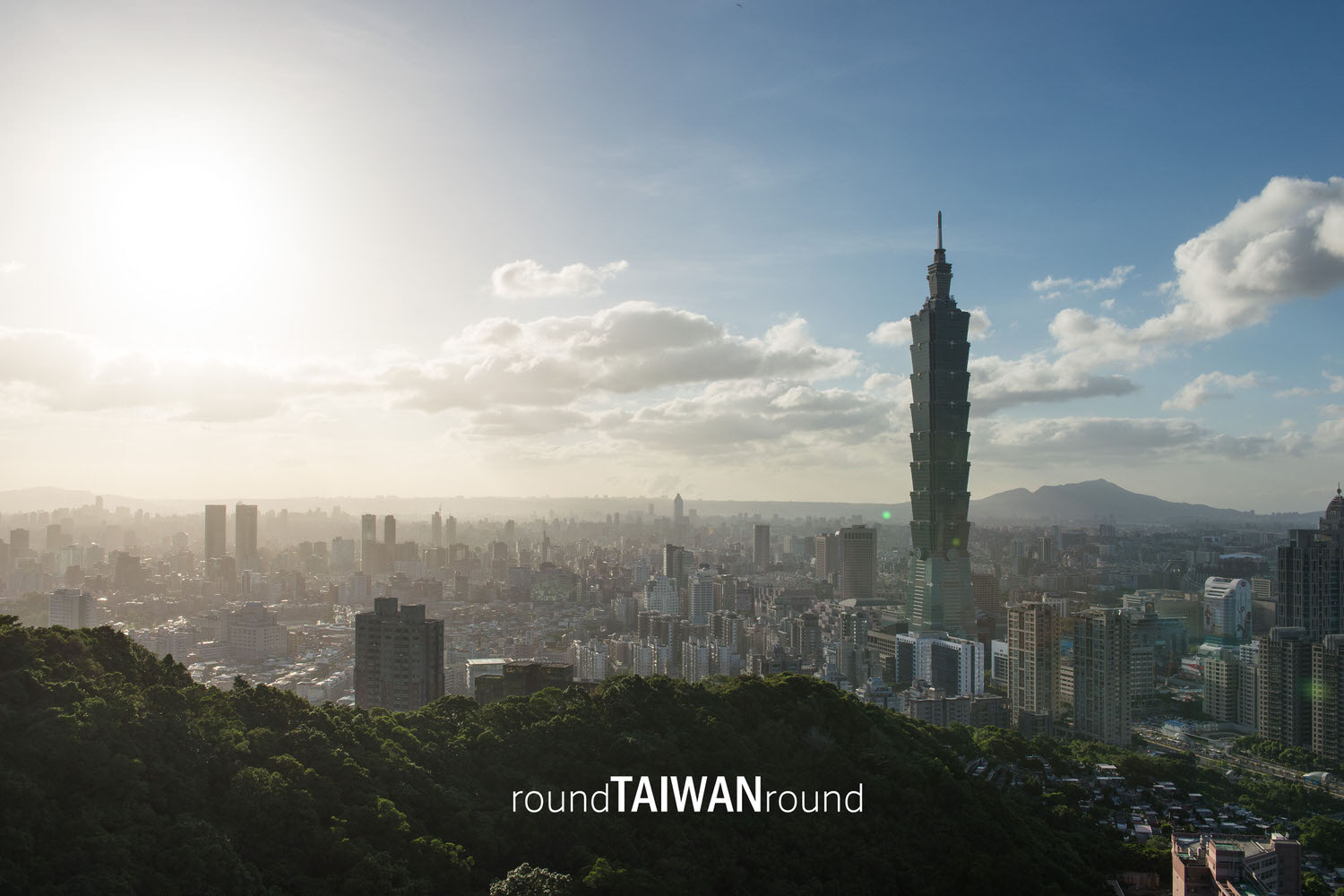 2
2Elephant Mountain
The Elephant Mountain (象山步道) Hiking Trail, located in Taipei, offers the best vantage point for watching the sunset and capturing stunning views of Taipei 101 and the entire city. While the trail involves a challenging ascent with many stairs and takes at least an hour to complete round-trip, there are several lookout points and pavilions along the way, allowing visitors to tailor their experience based on their physical fitness and desired photographic angles.
Previously a hidden gem, the trail has now gained popularity among tourists and locals alike, particularly among amateur photographers seeking to capture the beautiful sunset. Securing a prime spot for photography on a clear day often requires arriving early, as space for tripods is limited and can fill up quickly. This is especially true during the New Year's Eve fireworks display at Taipei 101, where only 40-50 tripods can be accommodated along the trail, prompting some individuals to queue up 24 hours in advance to secure a spot.
For those seeking to capture clear views of Taipei 101 and the city skyline, it is recommended to visit in the morning when the sunlight illuminates the architecture, rather than in the evening.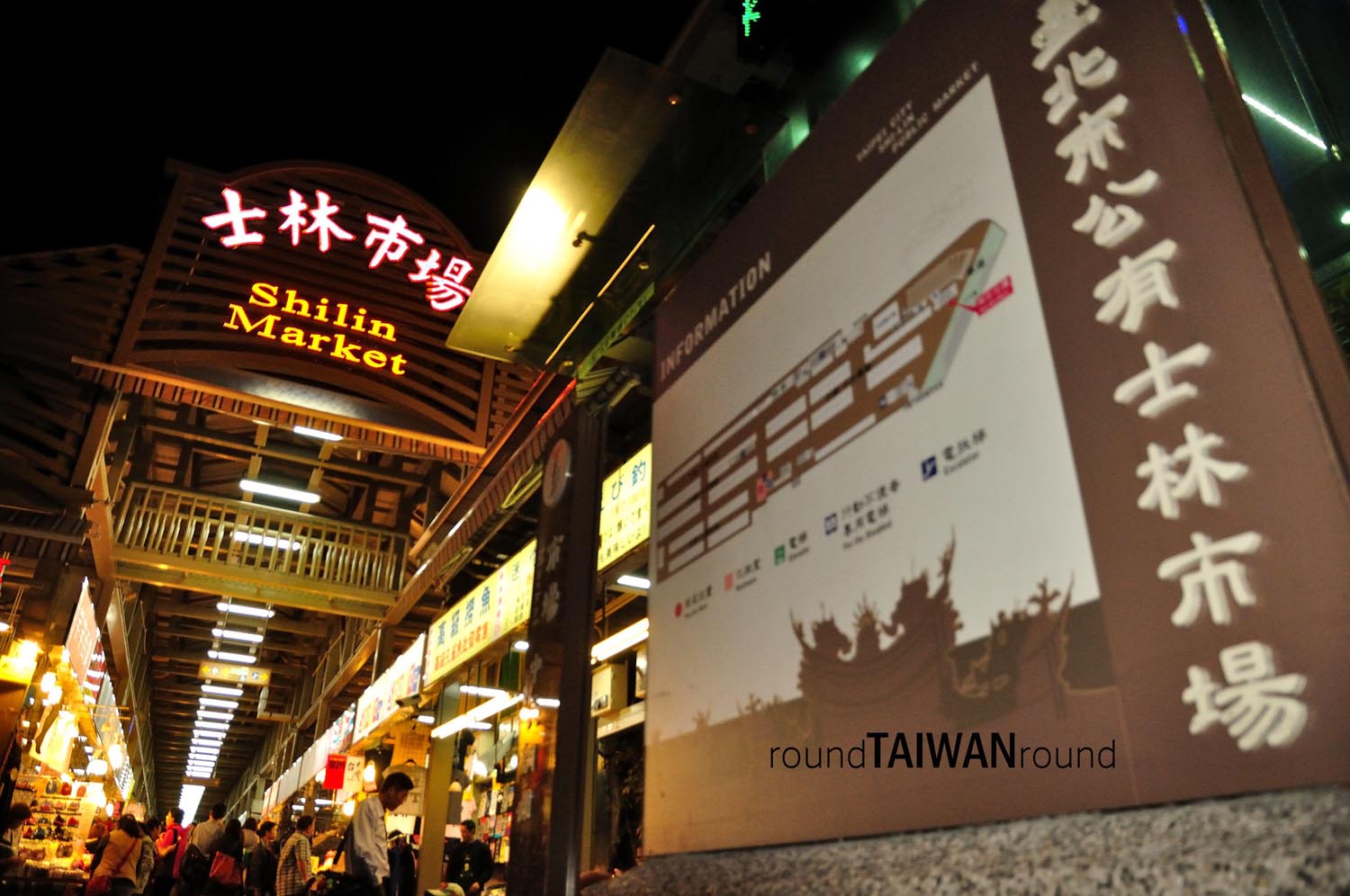 3
3Shilin Night Market
Night markets are an essential part of Taiwanese culture and have been a longstanding tradition in the country. A trip to Taiwan would not be complete without a visit to one of these bustling markets. One of the most renowned night markets in Taipei is the Shilin Night Market (士林夜市), conveniently located near the Jiantan MRT station.
Shilin Night Market (士林夜市) is divided into two main sections. The first section is a multi-level building with a food court on the bottom floor and various stalls offering a wide array of food, fresh produce, souvenirs, clothes, and accessories. The food court is a lively hub of activity, offering an abundance of delicious options such as deep-fried chicken steaks, stir-fried cuttlefish, and oyster omelettes. The second section spans several blocks and is home to a variety of vendors selling local delicacies like Shilin big sausages, Shanghai pan-fried buns, and lemon aiyu jelly. After indulging in these delectable treats, visitors can explore the diverse range of shops offering an array of fashion and accessories.
While Shilin Night Market (士林夜市) is one of the largest in Taipei, it is not the preferred choice for most locals. The market is often crowded with tourists, and the food and prices may be disappointing. Additionally, the relocation of vendors indoors and the influx of Chinese tourists have led to a decline in variety and quality. For a more authentic experience and a wider selection of local cuisine, visitors may want to consider exploring Ningxia Night Market and Yansan Night Market. Those looking for a fashion night market should visit Shida Night Market. Happy shopping and dining!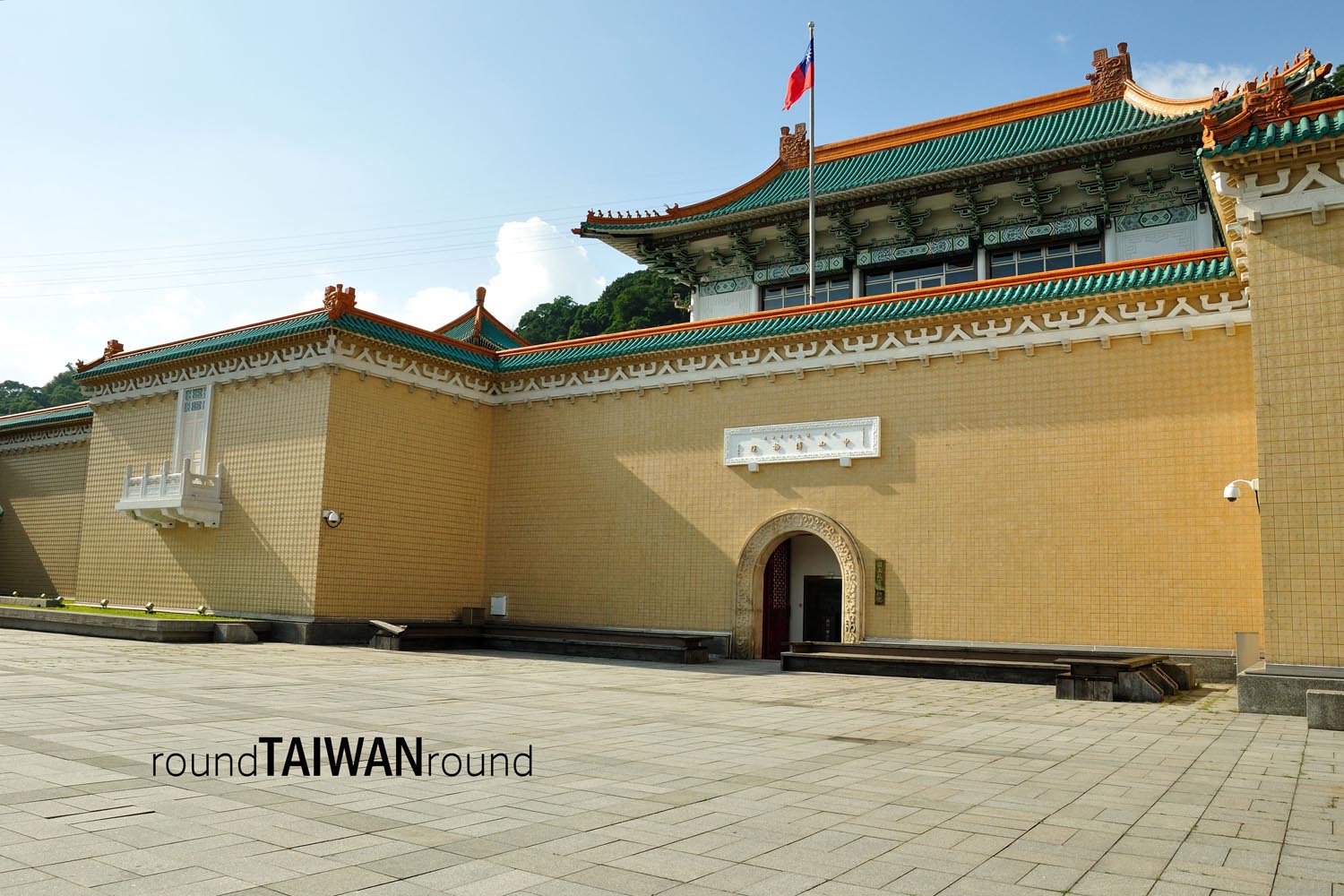 4
4National Palace Museum
Being listed as one of the top ten most popular museums in the world, National Palace Museum (國立故宮博物院) is undoubtedly a must-see attraction in Taiwan. Situated in a lush-hillside suburb of Taipei City, this palace-like building with a traditional Chinese-courtyard atmosphere is so easily identified. You are impossible to miss it.
The origin of the museum comes from a rather attractive history. The National Palace Museum was established as the Palace Museum in Beijing’s Forbidden City in 1925, where was the house of most precious and historical Chinese arts. However, due to the Second Sino-Japanese War and Chinese Civil War, Generalissimo Chiang Kai-Shek of Nationalist Government decided to evacuated some of the most prized arts to Taiwan and prevented them from stolen and damage during the war. Eventually, the Taipei National Palace Museum was established in 1965 and became the new home of the largest amount of Chinese priceless treasures in the world. Thus, It is also named as Yat-Sen Museum because 1965 is also the 100th anniversary of the birth of Sun Yat-Sen (1866~1925), the founder of Republic of China.
Known as a treasure house of Chinese culture, National Palace museum covers diverse and delicate artifacts, including scroll paintings, calligraphy, jade, bronze castings, porcelain and ancient books. Its collection consists of more than 650,000 pieces that spans many dynasties of China. Among all the precious treasures, there are some signatures in the museum that you should not miss, such as Jade Cabbage, Meat-Shaped Stone, Bell of Zhou…and so on. From which you are going to realize how ancient Chinese reflected their rich culture, philosophy and customs through the art works.
Same as every famous museum in the world, Taipei National Palace Museum provides free guiding tours in Mandarin and English everyday. Self-guiding audio devices with multiple language versions are also available, including Mandarin, English, Japanese and Korean. Need more energy to know more about Chinese culture? Restaurants and tea houses like Sanxitang (三希堂) or Xianjufu (閒居賦) are right inside the museum waiting for you. Through these typical Chinese cuisines, I believe you will have a deeper recognition of the profound Chinese culture.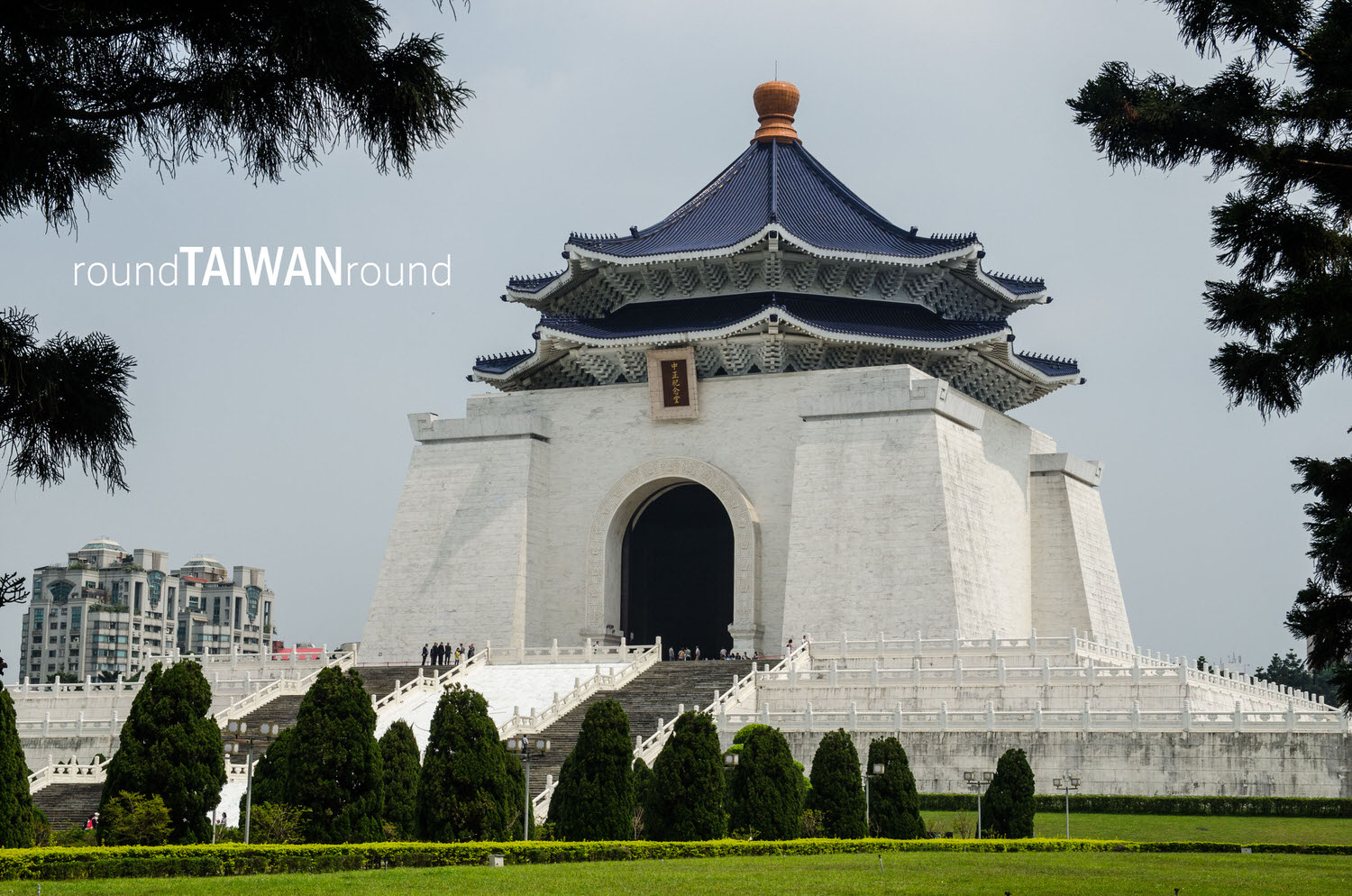 5
5Chiang Kai-Shek Memorial Hall
When it comes to Taipei, Chiang Kai-Shek Memorial Hall (中正紀念堂) is definitely one of the landmarks you may associate with. Located right beside the MRT C.K.S. Station, now it has become a popular urban park for local people, which serves as an art-and-culture exhibition, ecological and life-long learning classroom, and a place to memorize our former president of Republic of China (ROC), Chiang Kai-Shek.
Chiang Kai-Shek (C.K.S.) succeeded the unfulfilled wishes of Dr. Sun Yat-Sen and strived for the modernization of the Republic of China. As a leader of Nationalist Party in the middle of 20th century, he led the wars in the east and north of China and fought against the Japanese and the Chinese Communist Party. After his death on 5th of April 1975, citizens and overseas Chinese proposed to establish a memorial hall to commemorate this leader. Later on, the government decided to take the idea from the architect Mr. Yang Zhao-Cheng and started the construction in 1976. Finally, the construction of Chiang Kai-Shek Memorial Hall was completed and officially open to public in 1980.
Take a close look at this solemn Chinese-style architecture. Its exquisite design conveys the spirit of Chinese culture. The exhibition hall on the ground floor tells you about Chiang Kai-Shek’s life stories. As we get higher, galleries and exhibition rooms can be found on 2nd and 3rd floors. One thing that is especially worth mentioning is that you definitely cannot miss the must-see spectacle on 4th floor, the honor guard shift-changing performance. The show starts on the hour everyday from nine o’clock in the morning to five o’clock in the afternoon.
Beside the memorial hall itself, there are two giant and traditional Chinese palace-like buildings. They are the National Theater and National Concert Hall. These are the places for local people to enjoy the most brilliant performing arts shows. Moreover, the memorial park with its area of 250000 square meters is also a paradise for animals and plants in Taipei city. For a traveller, Chiang Kai-Shek Memorial Hall will be an idea spot to discover the story of C.K.S. and explore the Taipei people’s strong vitality.
Notice:
The honor guard shift-changing performance starts on the hour everyday from 09:00am ~ 05:00pm.
 6
6Dihua Street
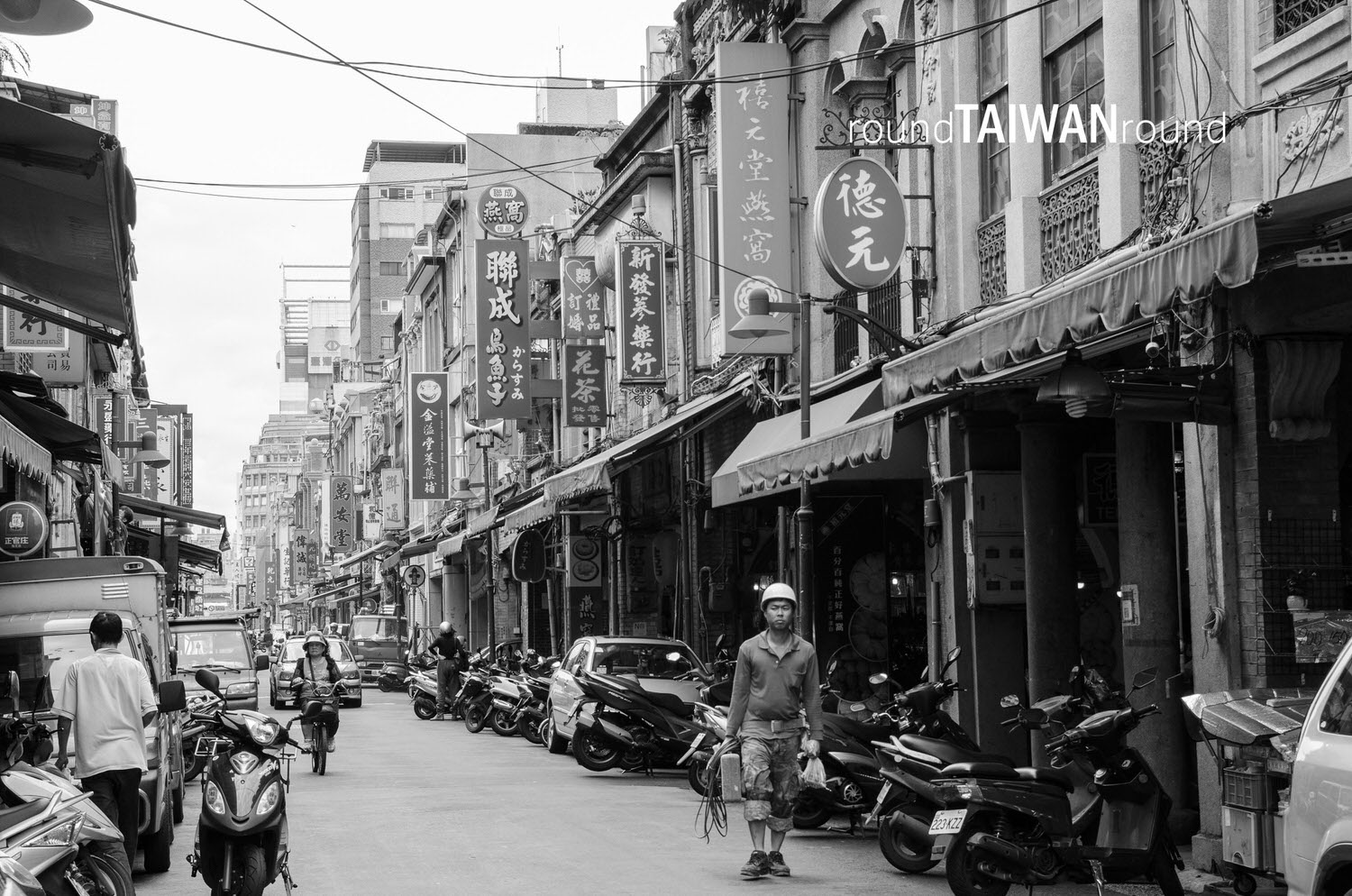
Dihua Street (迪化街), bustling with activity before the Lunar New Year, is the top choice for Taipei residents to buy New Year goods. The street is lined with old buildings in various architectural styles such as Fujian, Western, and Baroque, exuding a nostalgic atmosphere. Visitors can not only find goods from all over the country, but also explore cultural and creative shops, tea houses, and many unique souvenir shops, making it a treasure trove for tourists.
Since the 19th century, Dadaocheng has maintained its position as a prime hub for goods distribution in northern Taiwan, with Dihua Street (迪化街), spanning approximately 800 meters, at its core. Several old businesses still operate on the street to this day.
A visit to Dihua Street (迪化街) allows you to experience the authentic old Taipei atmosphere. While the street is usually quiet, it transforms into a bustling New Year goods street before the Lunar New Year. Tens of thousands of people flood the street, and the sound of vendors hawking their wares fills the air. Candy and grocery stores offer an abundance of snacks for sampling, drawing crowds of shoppers to their doors.
In addition, there are also handmade crafts, snacks, dried goods, souvenirs, decorations, and other seasonal items for sale. The array of goods is overwhelming, and choosing where to start shopping can be a challenge. Undoubtedly, Dihua Street (迪化街) is the most festive street in Taiwan, making it the perfect place to experience the Lunar New Year atmosphere.
In recent years, the government has actively undertaken projects to renovate and rebuild old houses, including the Western-style townhouses on Dihua Street (迪化街). Many unique cultural and creative shops and independent cafes have moved in, attracting more and more young people to the nostalgic Dihua Street (迪化街). This historic street, of course, is not without a variety of traditional Taiwanese snacks, such as thick rice noodles, squid soup, rice pudding, four-herbal soup, steamed glutinous rice, swordfish rice noodles, braised pork rice, and more, all evoking childhood memories.
If you're lucky enough to visit during a deity's birthday, you may even have the chance to participate in lively parades and processions, offering a great opportunity to explore Taiwan's folk culture and religious beliefs. Speaking of religious beliefs, we can't overlook the ""Xiahai City God Temple"" on Dihua Street (迪化街). It's not surprising to see many young girls visiting the temple to pray to the reputedly effective Matchmaking Deity, hoping for help in finding love.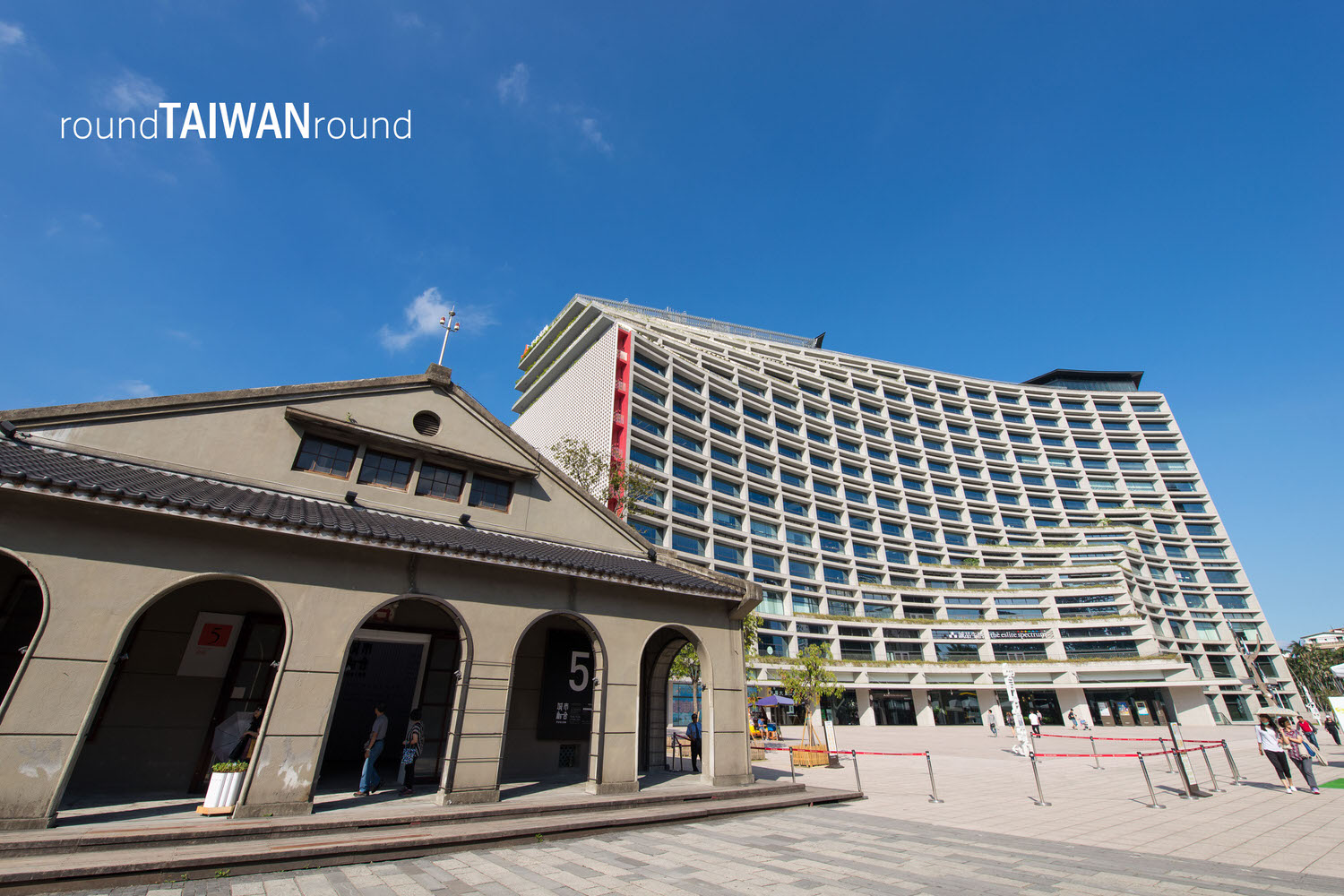 7
7Songshan Cultural Park
Eslite group is the most successful bookstore corporation in Taiwan. Starting from bookstore, Eslite provides a wide variety of book selections. It is always an enjoyment to just walk inside the bookstore to glance through all the collections. After the success of bookstore, Eslite group expanded their business to department stores utilizing their delicate taste designing their bookstores. They are not interested in big department stores with numerous brands, but rather focusing on the service fitting the culture of the store and the Songyan Store is the realization of this idea.
The building was designed by famous Japanese architect, Ito Toyo. The building is designed to blend in the historical sites around it. There are many interesting stores like street brands, elite bicycle shops, tea leaves, and innovative products. In the restaurant area, you may find different styles of cuisine. There are also many exhibitions being held from time to time. Eslite group also built a small cinema for independent filmmakers to promote the novice works of young artists. All in all, they hope the Spectrum Songyan Store serves the function not only for shopping, but also a platform for culture, creativity, and tourism.
 9
9Ximending
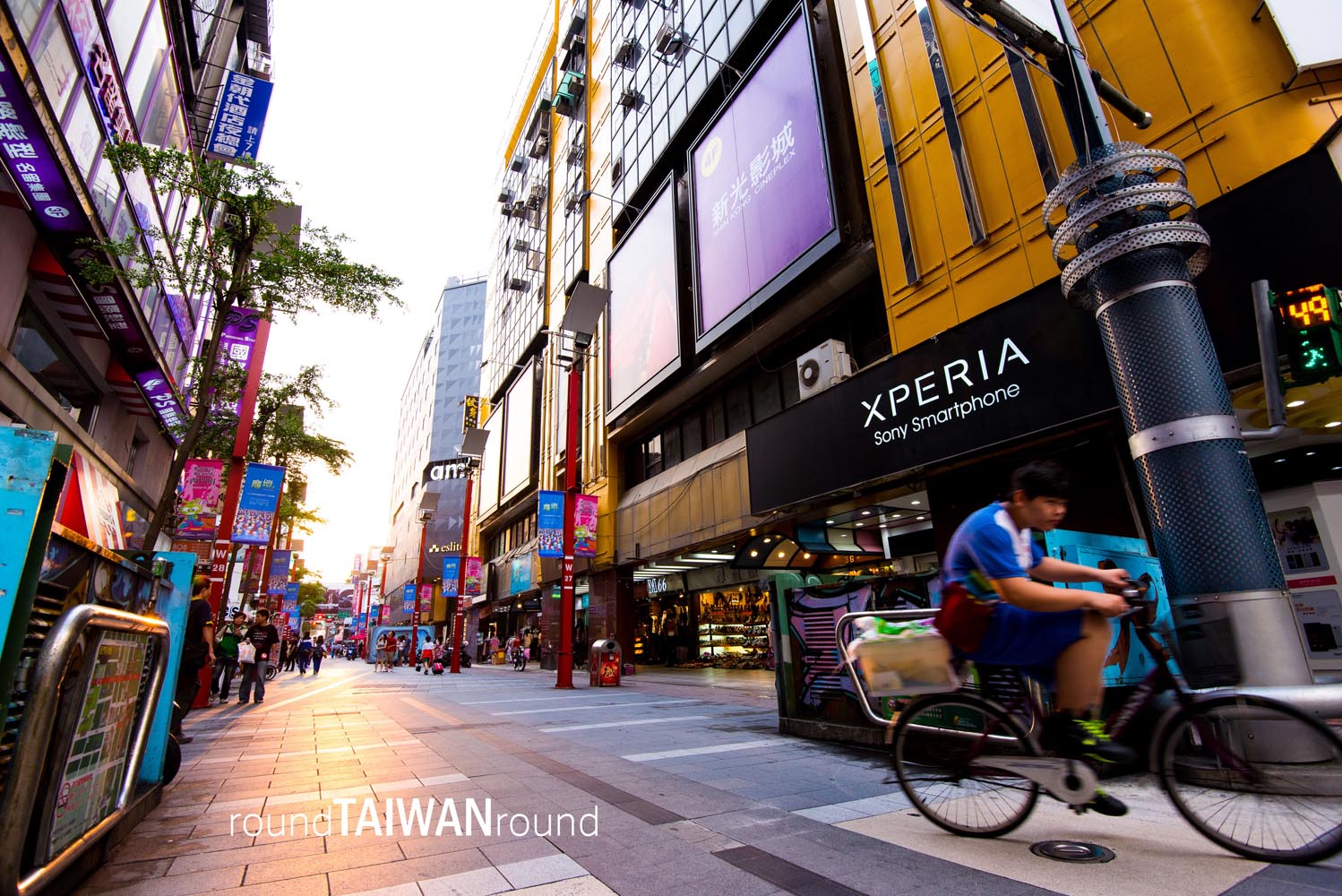
Ximending (西門町), the northwestern part of Wanhua district in Taipei, is now the development center of fashion and subculture in Taiwan. Its history can be dated back to Japanese Colonial Era. Since then, Ximending has been set up as an entertainment and business area. Though the Taipei’s business and recreation area has been gradually shifted to eastern district of Taipei in 1990s, Ximending with its profound history and unique atmosphere still attracts millions of visitors every month.
So what a visitor can do in Ximending? First of all, plenty of fancy shops here will definitely not let you down. No matter the fashion clothes on the streets or some creative commodities in the Ximending Red House, both of them will trap you for a while. A variety of traditional food stalls which have run for tens of years are good places for a rest and satisfying your appetite. Moreover, section 2 of Wuchang Street (武昌街二段), also known as Ximending Cinema Street, is usually full of people especially when some movies start their campaign. Even if you are not a movie person, the special scenery of a whole street of cinemas and some graffiti on the wall is still worth your visit. Besides, one thing that is especially worth mentioning is that Ximending is also an ideal place to “see” people and objects. In Ximending, buskers may not look as special as they should be. Groups of students, people with bizarre dress, a sport car with a long-eyelash headlight….etc. Even if you do nothing but just stay in Ximending seeing people and things, it is still very funny.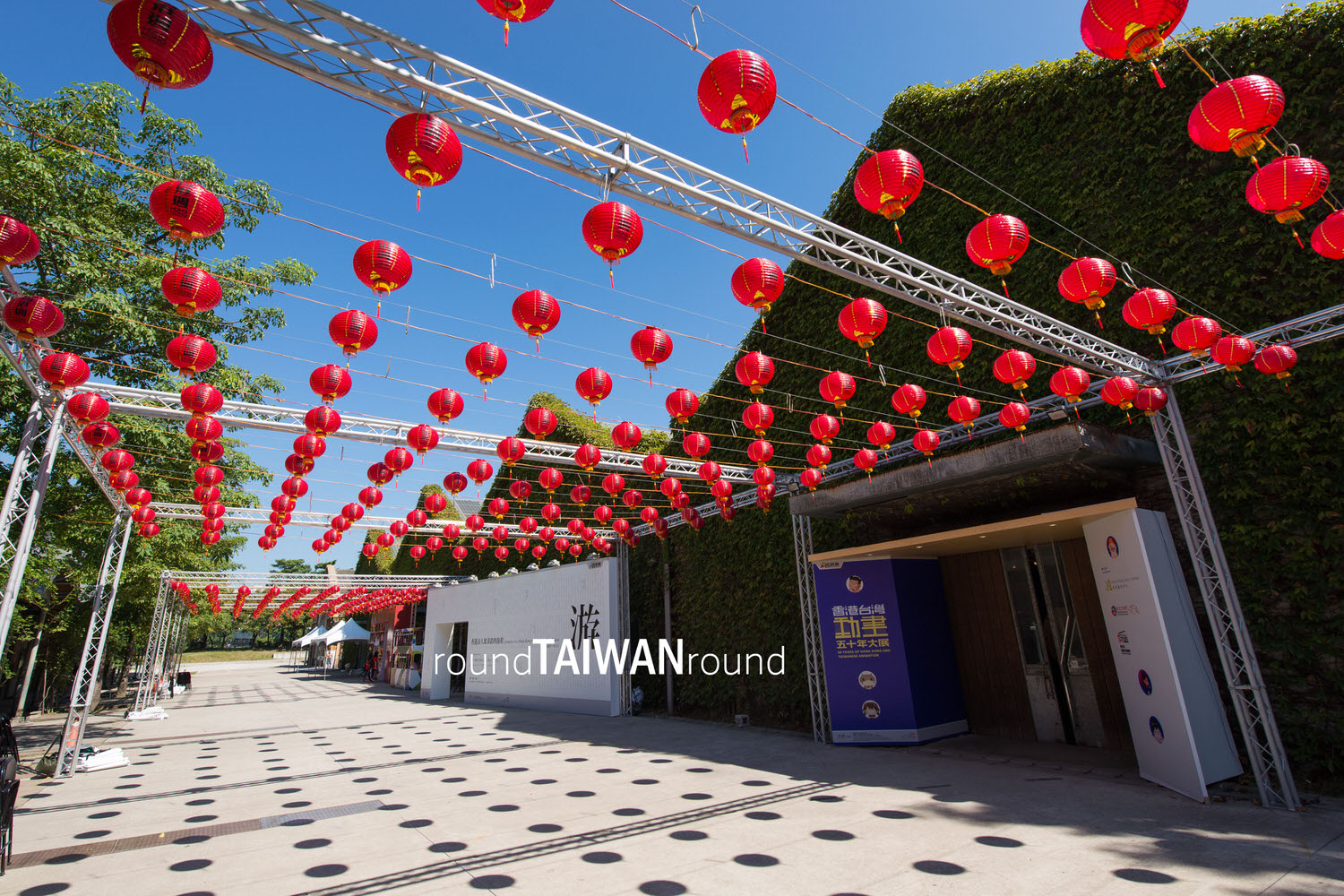 10
10Huashan 1914 Creative Park
Converted from the old Taipei Winery complex of seven hectares, Huashan 1914 Creative Park is now a cultural hub where the former warehouses are open to the public as exhibition spaces, performance venues, restaurants, shops and theaters. Besides the very first national art house SPOT-Huashan, Legacy also sits within the complex — a musical hub of inspiration where artists and emerging talent create extraordinary work. Day and night, there is always something going on here at Huashan 1914 Creative Park, where young people grow creatively as individuals.
Established back in 1914, the winery used to produce saké and fruit wine, and today, the complex still retains much of its former glory and architectural significance. Whether you are into exhibitions, art films, indie music or theater, there is something for everyone. Exhibition-goers will be impressed by its large varieties of events from comics to anime and even car launches. For dining, the choices are abundant. As an ideal destination for everyone regardless of age and interest, Huashan 1914 Creative Park is always teeming with happy folks especially on weekends.