New Taipei
Top 9 Must-Visit New Taipei Attractions|Bucket List Guide
- 1
Jiufen Old Street
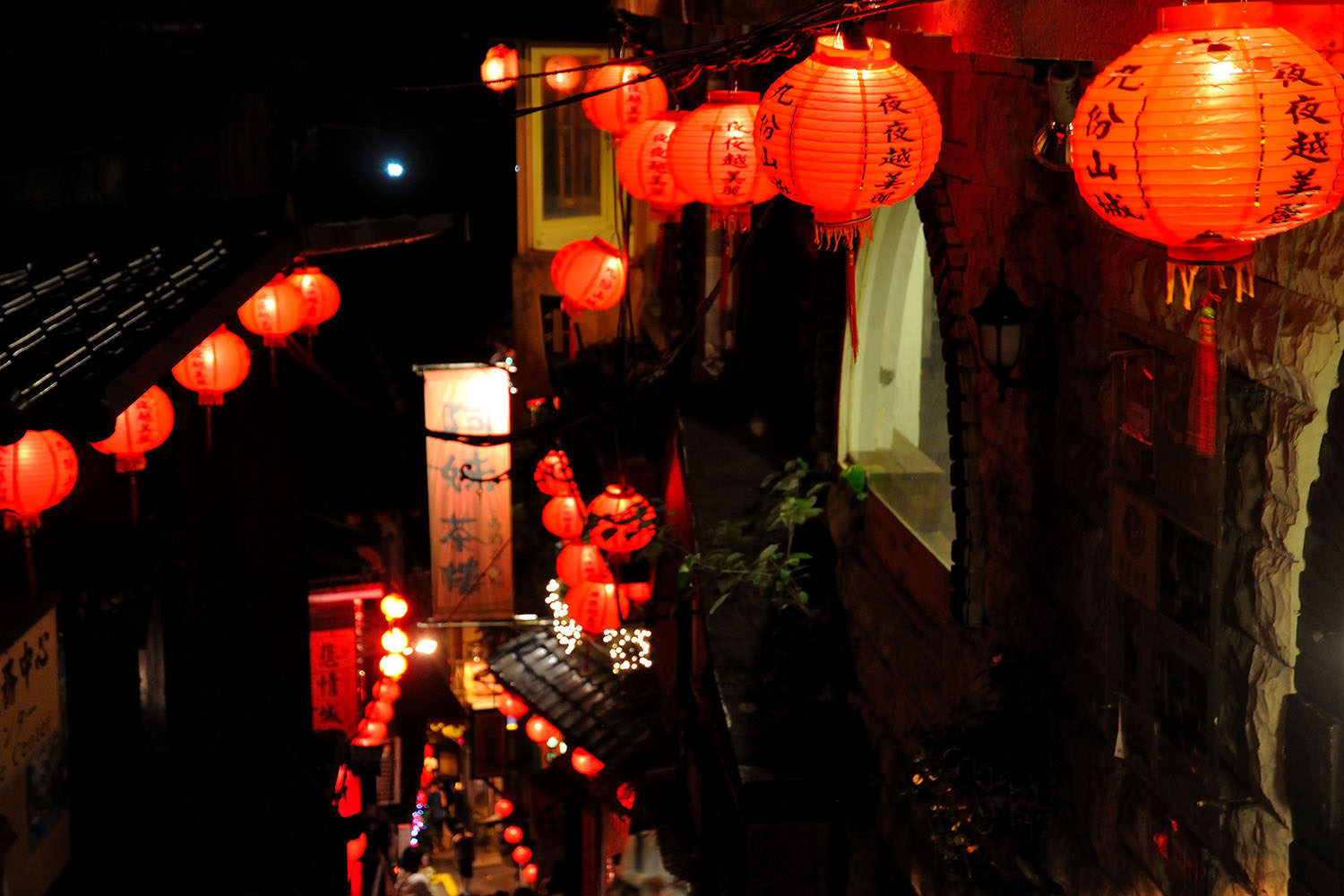
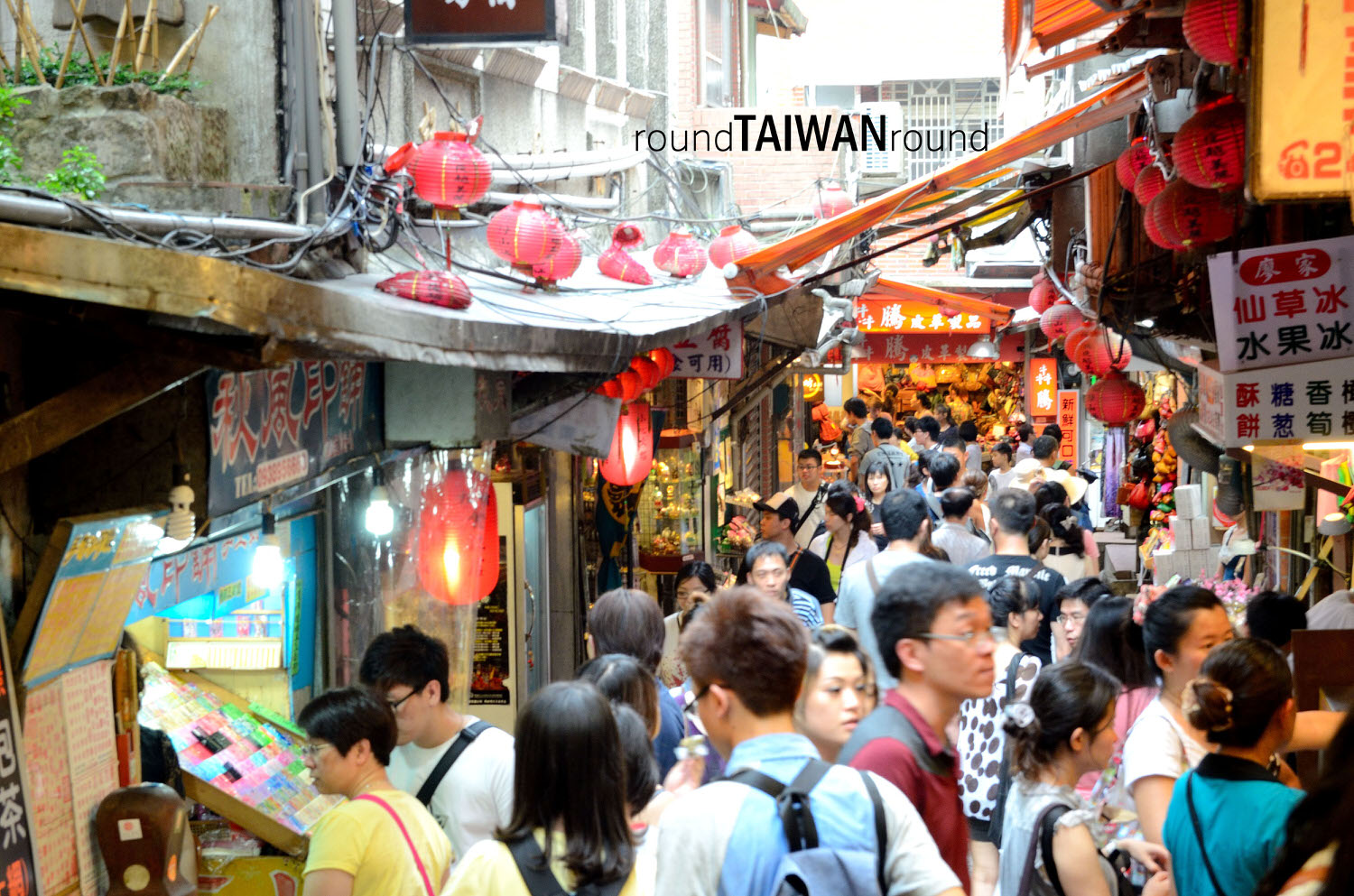
With an unmatched old town atmosphere and seaside flair, Jiufen (九份) is a must see spot when visiting northern Taiwan. Always teeming with tourists, you might notice that Japanese people make up a huge proportion of the crowds gathered. Many are keen to catch a glimpse of the setting of Hayao Miyazaki's Academy Award winning “Spirited Away”, especially the iconic red lanterns. This is also a film mecca for lovers of Taiwanese film, especially fans of Hou Hsiao-hsien's “A City of Sadness” (悲情城市), which utilized Jiufen as the backdrop to the events of the 228 Incident. Given Hou’s recent award of Best Director in the 2015 International Cannes Film Festival for his new film “The Assassin”, we expect even more people will make their way here in years to come.
Among the many treats and souvenirs to be enjoyed, you should be sure to try a local favorite, taro balls (芋圓) in a sweet red bean soup. Tea houses and coffee shops line the old streets of Jiufen and provide exquisite views of the sleepy mountainside town and Keelung Harbor, not to mention provide a great place to rest your feet! For those itching for some adventuring, try the Keelung mountain hiking trail (雞籠山). No matter which way you choose to enjoy it, you'll be sure to come away from Jiufen with some of the most memorable photos of your trip to Taiwan.
(In case you are interested, the name of the township comes from a rather funny story: A long time ago, there were only nine families living in the area. Because there were no roads serving it, goods could only be delivered by ship. Due to the inefficiency of transportation to the region, the families used to reserve nine portions of household goods to be delivered at one time. Thus, the name Jiufen, “Nine Portions”, stuck and has been the name of the town ever since). 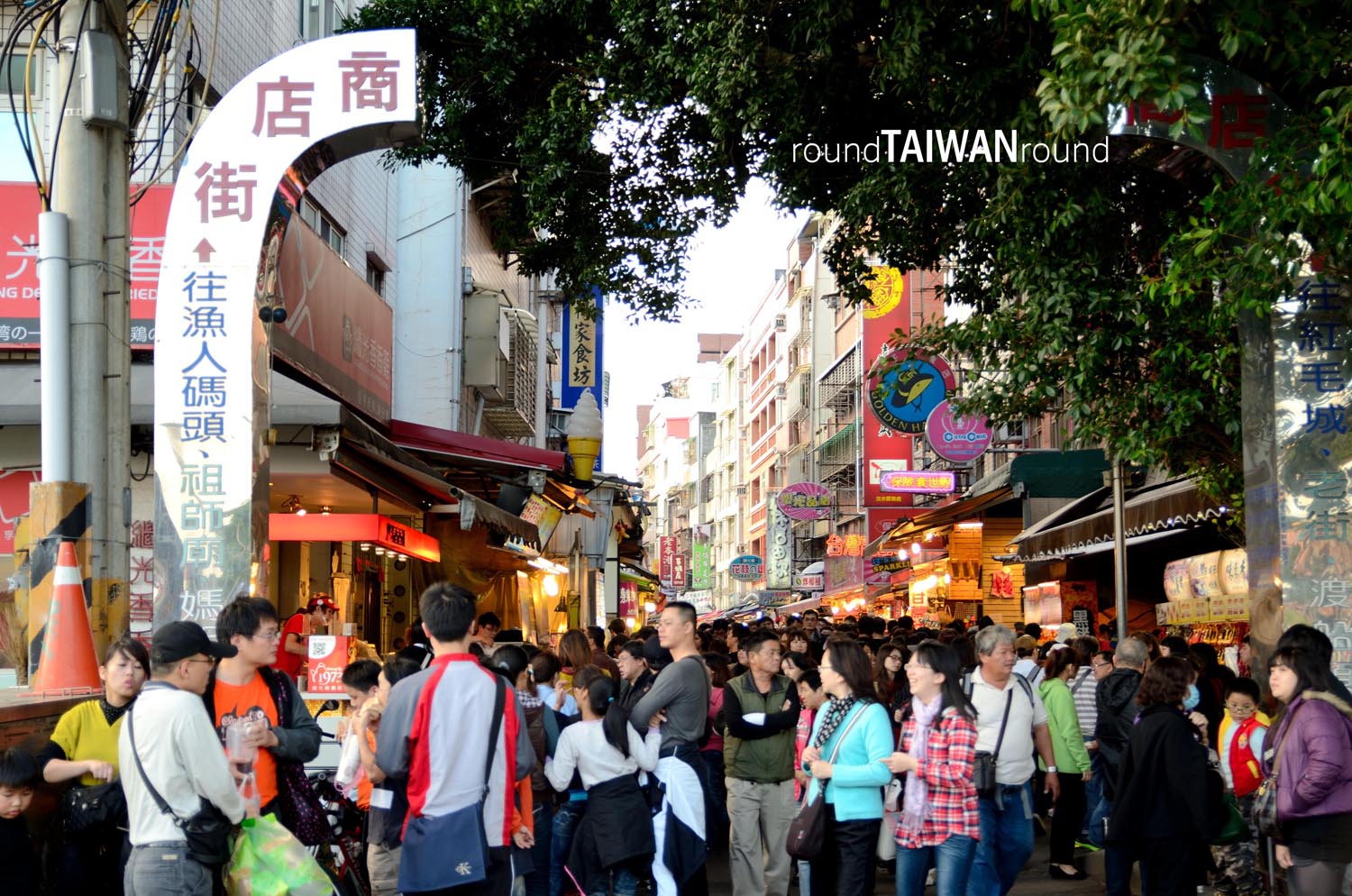 2
2Tamsui Old Street
Tamsui Old Street is a wonderful contrast to the busy-ness of Taipei City. Just a few minutes walk from Tamsui MRT Station, the old street is easily accessible and impossible to miss. You'll surely find something worth tasting among the diverse snacks available here. An ice cream cone longer than your face will amaze adults and children alike. The tiny “Iron Eggs” with their rich, chewy flavor will be hard to stop once you started. Enjoying a cup of sour plum juice with the gentle riverside breeze is a great way to cool off on a summer afternoon. Or a bowl of fish ball soup with a famous 阿給 “ā gěi” (fried tofu filled with glass noodles) makes for a memorable local experience. Eaten to the sound of talented buskers, with the beautiful view of the setting sun before you, it is no surprise that people love this place!
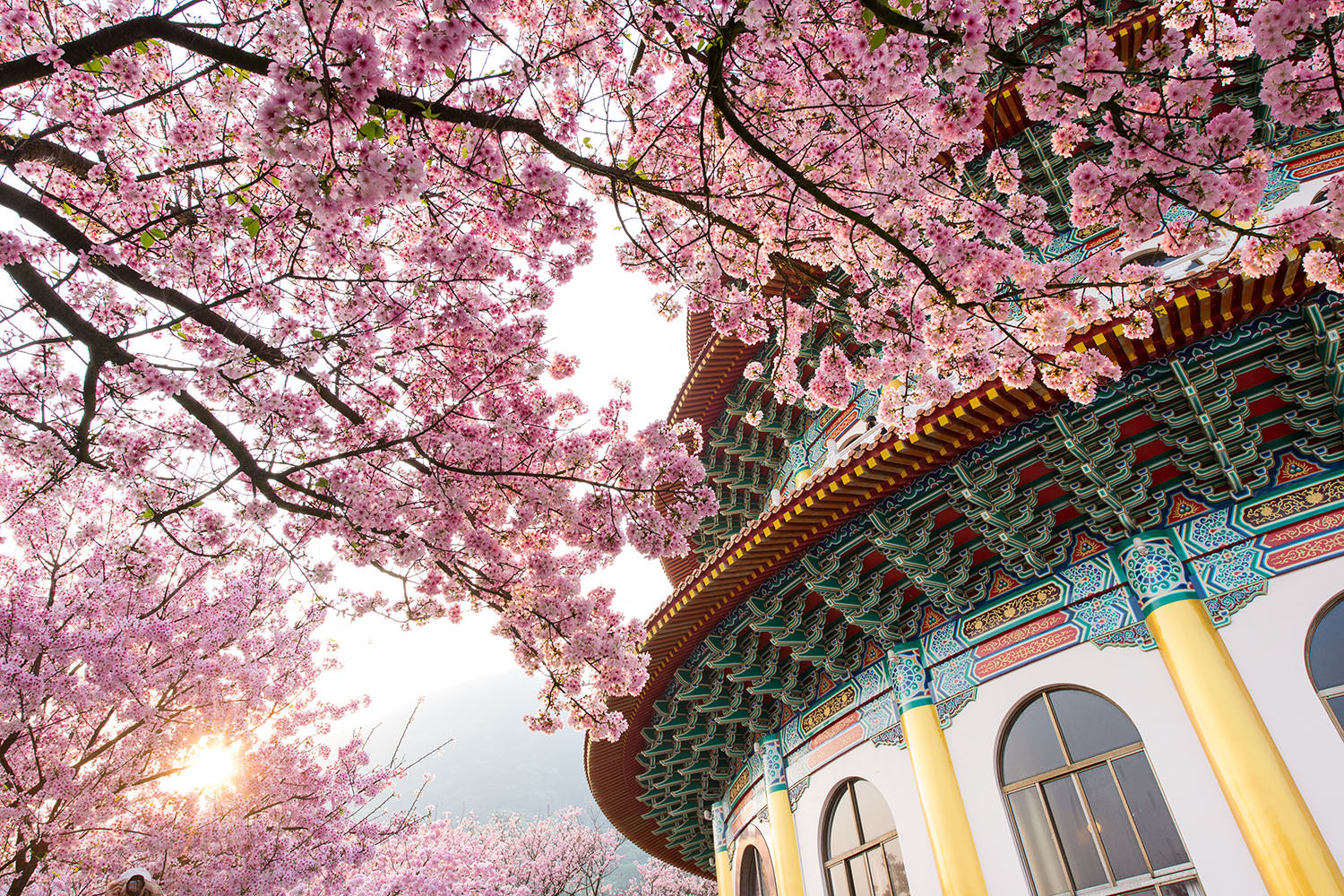
Nevertheless, Tamsui is definitely more than just food. We recommend hopping on a rental bicycle and exploring the mangrove ecology on the riverside trail. Or taking a cruise from Tamsui to Bali across the river, where you can absorb the beautiful scenery of Guanyin Mountain. Many also like to bring a book and kick back at a café on the riverside for an idyllic respite. And if that is not enough for you, check out the nearby Wuji Tianyuan Temple (無極天元宮) for cherry blossoms in spring and Tough Guy Peak (觀音山硬漢嶺) for an amazing night view.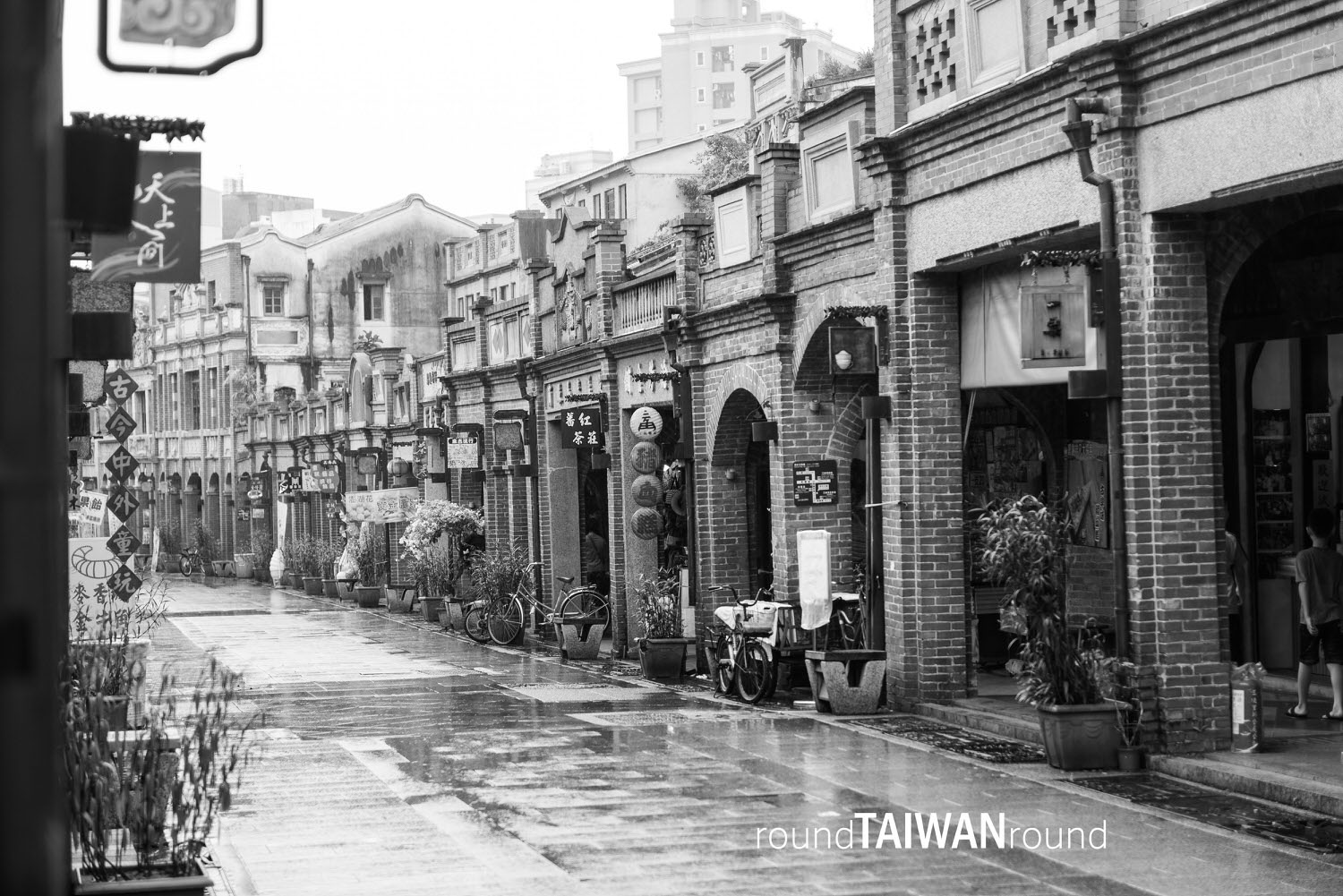 3
3Sanxia Old Street
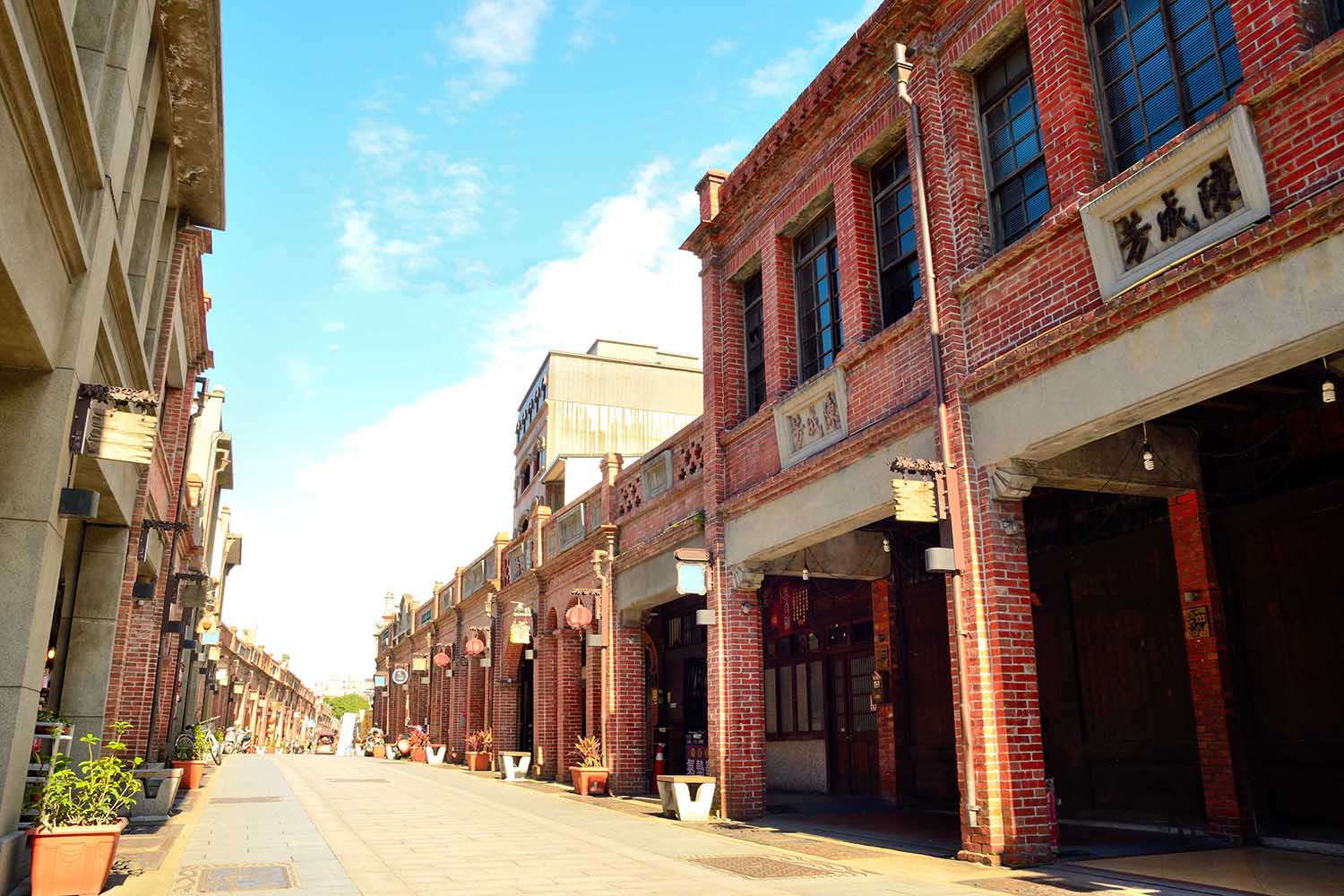
The 260-meter-long Sanxia Old Street is the longest and most well-preserved old street in northern Taiwan. This once-bustling commercial street is now home to myriads of ancient shophouses that were built during the Japanese Colonial Era and still retains a nostalgic ambience. Fully demonstrating the skillful craftsmanship back then, the quaint architecture on Sanxia Old Street is left with a lingering Western influence as a result from the Meiji Restoration. A wealth of Baroque red-brick buildings with an embellished facade is a perfect combination of tradition and innovation in the most elegant way possible.
Today, Sanxia Old Street is dominated by a significant number of traditional businesses such as teahouses, handicraft stores and indigo dye shops, allowing visitors to dive into the local culture and take the time to appreciate the heritage. Die-hard foodies will have a blast trying many different delicacies, including, sushi, pig blood cake, croissants, just to name a few. The croissants here are more like buttery rolls in the shape of a bull horn than the French version, and they are stuffed with a diverse variety of fillings to please all tastes. If you are looking for a lively cultural experience in Taipei, then welcome to Sanxia Old Street.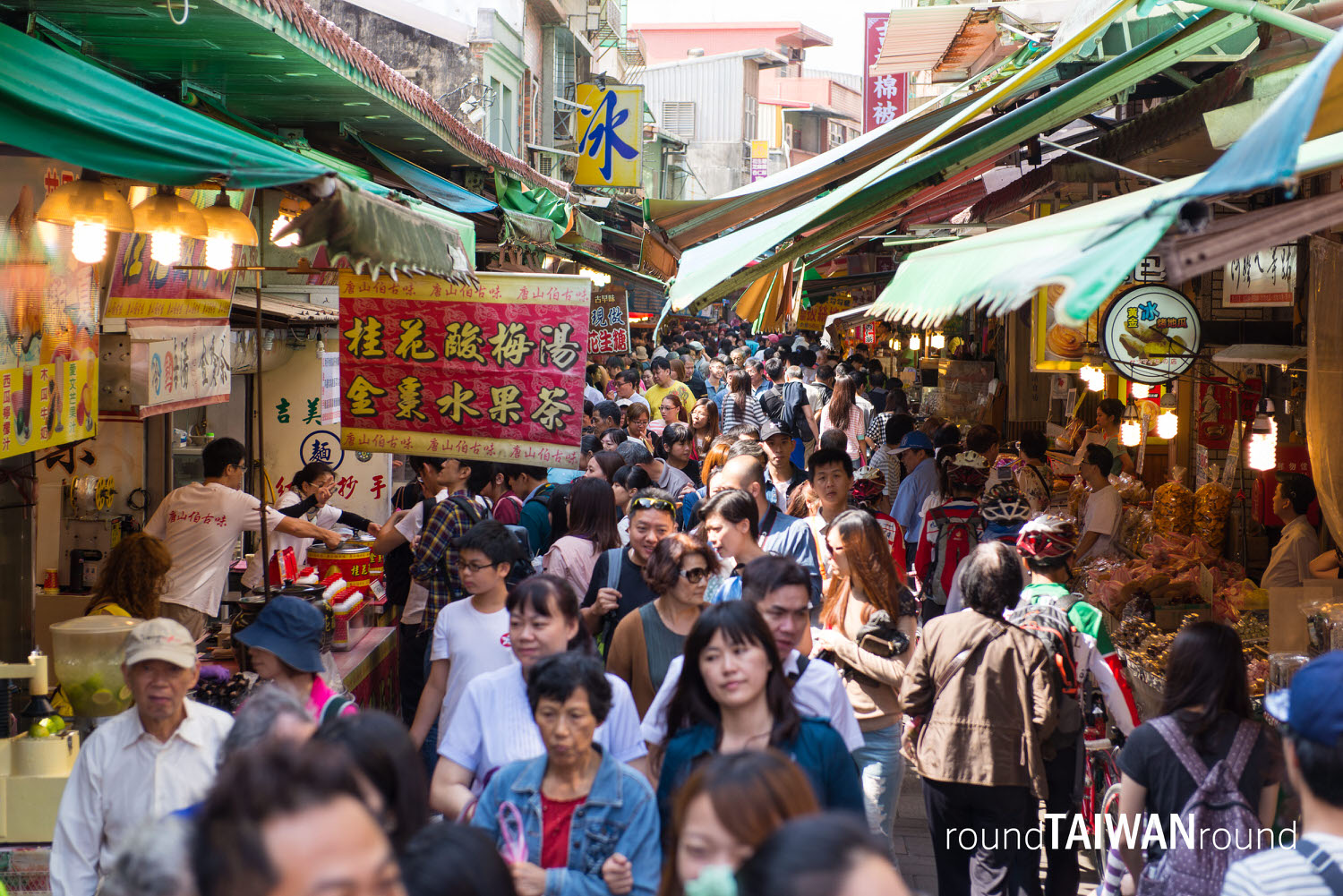 4
4Jinshan Old Street
Although Jinshan Old Street is just a three hundred-meter-long narrow street, it is always packed with tourists from all over the world. The area near the street used to be call Jinbaoli (金包里) and was originally the settlement of the Taiwanese aboriginal tribe Jinbaolishe (金包里社). Later it was completely settled by immigrants from China such that today you won’t see any trace of aboriginal culture. When you reach the end of the street, you will see the Guangan Temple (廣安宮)where the god Tan Goan-kong (開漳聖王) is worshiped. This section of the temple was built to commemorate his protection of Chinese immigrants safely crossing the Taiwan Strait. Next to Guangan Temple resides the esteemed restaurant, Jinshan Duck Meat (金山鴨肉). This restaurant is usually so busy that it gives the whole street the atmosphere of a banquet. Indeed, as a result of its popularity, the owners have rented many locations along the street, meaning that the whole length can sometimes appear to be people carrying plates of duck meat shuffling between the various stores. In addition to duck meat, Ayu Food (阿玉蔴粩), Hot Toffee Sweet Potato (拔絲地瓜) and Snow Leopard Ice City (雪豹冰城) are all famous stalls. Juming Museum (朱銘美術館) and Dharma Drum Mountain (法鼓山), which is a Buddhist holy place in northern Taiwan, are not far away from Jinshan Old Street, so you can visit these sites in the same day as well.
 5
5Wulai Old Street
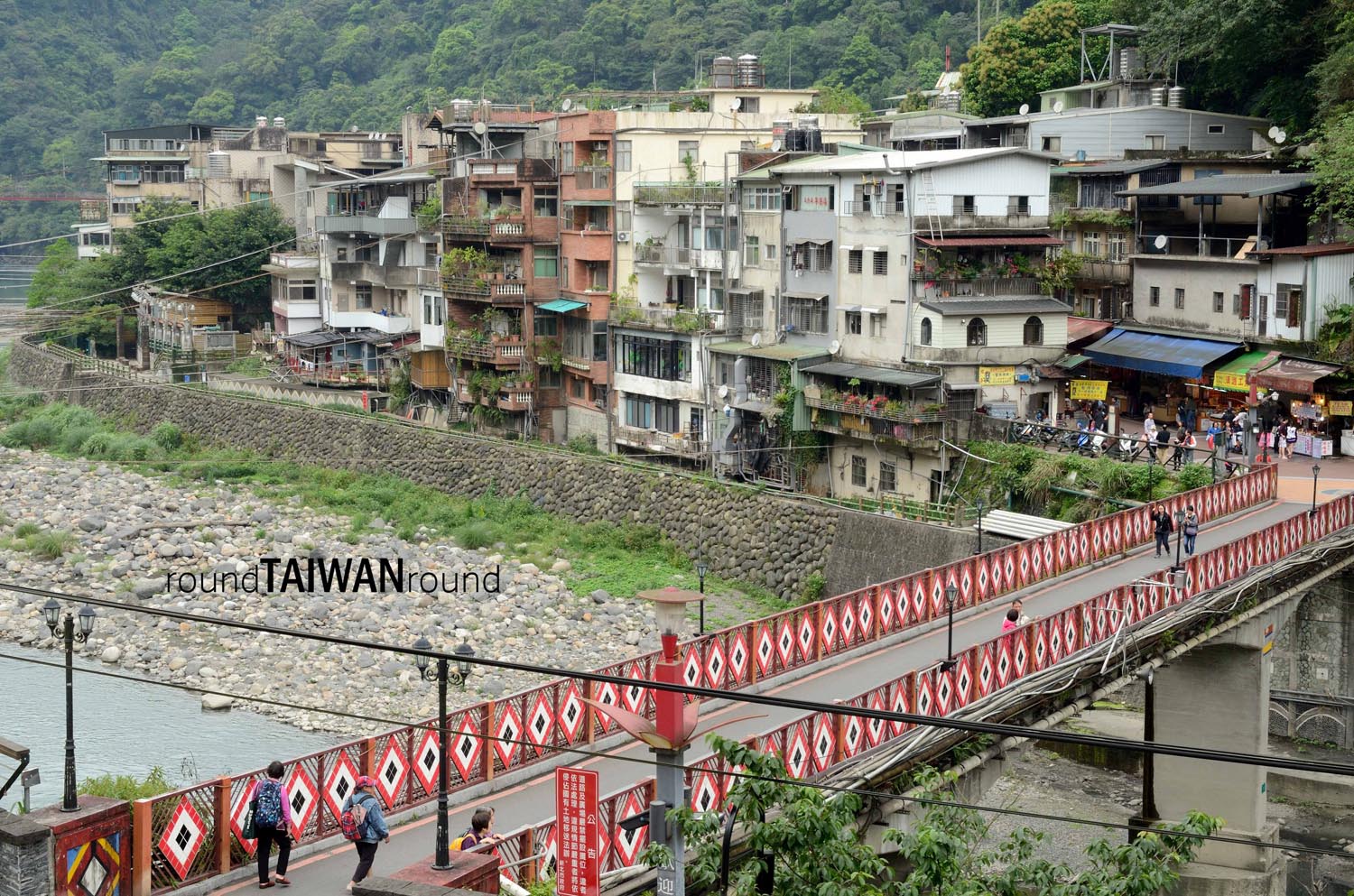
The Wulai District of New Taipei City is famed for a wealth of hot springs and cherry blossoms. The Atayal (the third largest indigenous tribe in Taiwan) also form a big presence in Wulai, which is part of their traditional territory. As a result, Wulai Old Street boasts plenty of aboriginal art stores with some amazing and unique pieces for sale. Visitors can also sample traditional delicacies sold by the local population, including millet wine, hot spring eggs, sausages and many more. Restaurants dishing out aboriginal fares are also in abundance. Wulai Atayal Museum by the entrance of the old street is very worth a visit if you are interested in a bit of local culture. At the very end of the street, it is where you board the trolley train that takes you to a beautiful waterfall.
Never leave Wulai without trying the flavorful sausages, especially the ones served at Yage. The special condiment made from soy sauce, chili peppers and minced garlic will tickle your taste buds and bring your experience to a whole new level. Another highly raved spot is Kaojia, serving ice-cold eggs that are slow cooked in the water of hot springs. If you are a bread lover, those steamed buns with different fillings, from a mixture of scallions and meat to braised pork with preserved vegetable in soy sauce, will be a delight for sure.
- 7
Shifen Waterfall
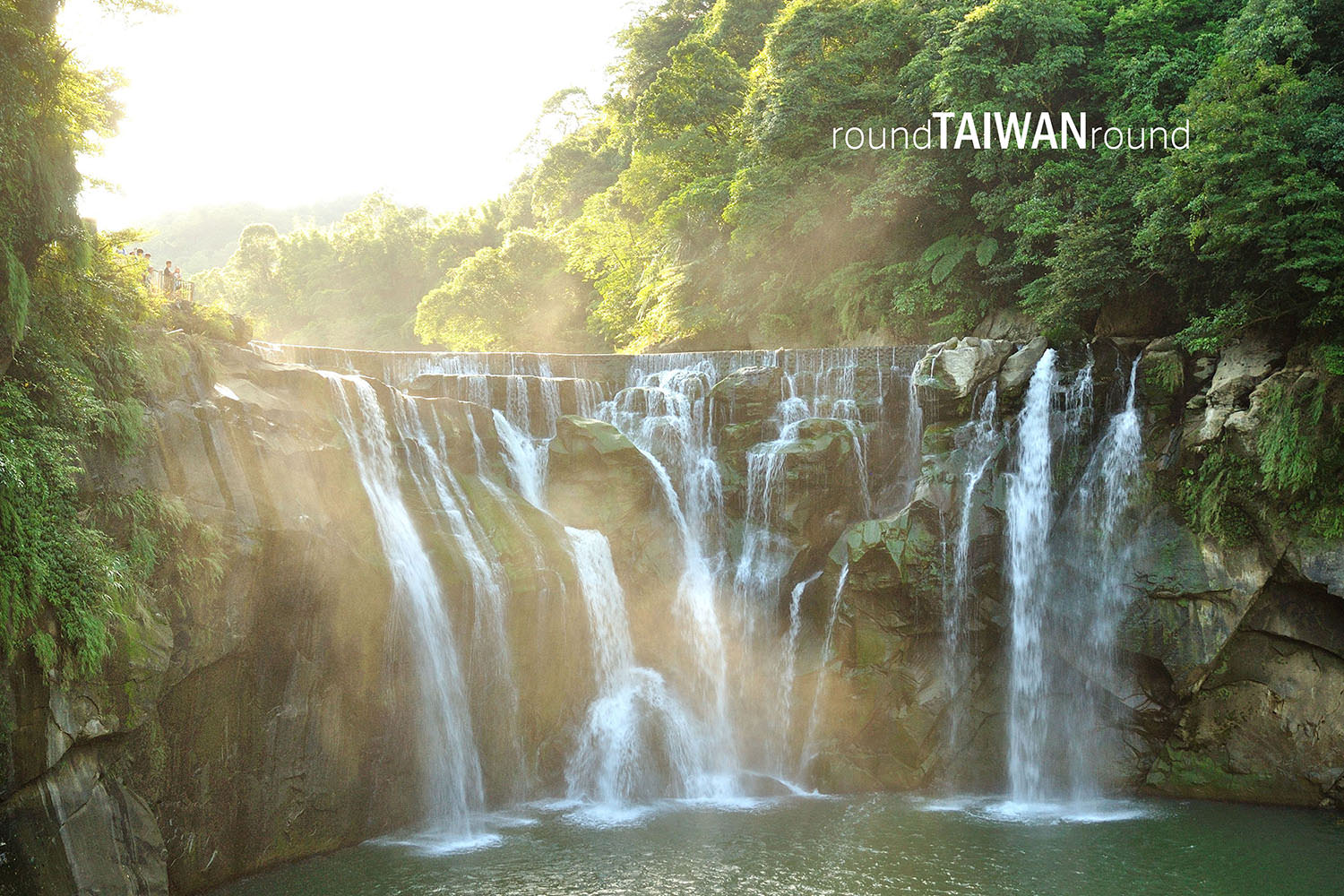
Shifen Waterfall (十分瀑布) is the most renowned cascading waterfall in Taiwan. Although not nearly the tallest the island has to offer, it's is certainly the widest at an impressive 40 meters. Because of its horseshoe shape and powerful flow, it is nicknamed the Little Niagara of Taiwan. Recessed within a beautiful forested mountainside setting, this waterfall often delights visitors with a bright rainbow on sunny days. Its colorful spectacle has also lent the waterfall its other nickname of “Rainbow Pond”.
Similar to the naming convention of Jiufen, Shifen was named for the ten original families who developed this area. Shifen is a short walk from Shifen Old Street which is along the Pingxi Branch railroad line. While at Shifen Waterfall, you may notice some interesting holes in the riverbed. At various points along the river, the uneven flow of the water creates vortexes that traps passing rocks, causing them to spin and carve deep holes. This constant erosive action has produced potholes and are in greatest abundance in the Dahua Station area.
Get a deeper understanding of the history of the Jiufen area on our Jiufen Sky Lantern tour. With guides who are local and deeply familiar with the area, you will come away with a rich understanding of its gold mining past, as well as have minimized the fatigue associated with travelling to some of the busiest of Taiwan’s tourist destinations. 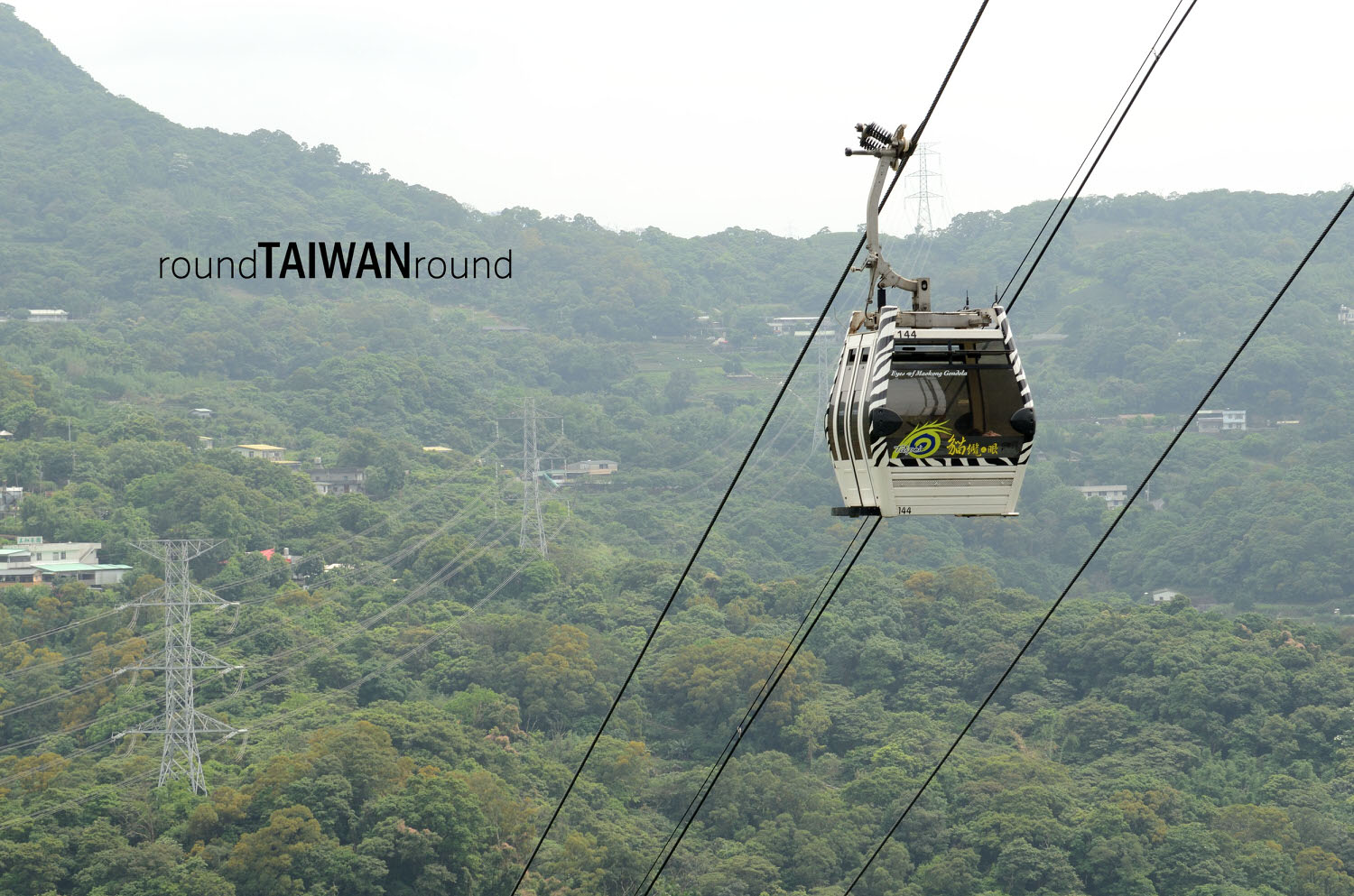 8
8Maokong Gondola
One of the must-visit destinations in the northern tea-growing region is Maokong, known for its tea plantations and the Maokong Gondola (貓空纜車). The gondola ride takes approximately 20-30 minutes one way and includes stops at the ""Zhinan Temple Station,"" known as a Taoist holy site, and the ""Maokong Station,"" where you can enjoy great tea and the natural scenery of the Taipei outskirts. You can use the EasyCard to enter the station, or opt for a special experience by queuing for the ""crystal cabins"" that offer a transparent view of the stunning mountain scenery.
To reach the Maokong Gondola (貓空纜車), simply take the Wenhu Line of the Taipei Metro to the Taipei Zoo Station, then walk a few minutes to reach the gondola. You can alight at any of the four stations (Taipei Zoo, Taipei Zoo South Station, Zhinan Temple Station, Maokong Station) for sightseeing.
The gondola will take you on a journey through the lush mountainous area, offering panoramic views of the bustling Taipei basin. The ride also provides an educational experience as it passes through a large expanse of pristine forest, home to diverse flora and fauna, including a quarter of Taiwan's known butterfly species and over fifty bird species.
Long before the gondola was built, Maokong was already renowned for its tea plantations nestled among the slopes of the mountains. When visiting Maokong, be sure to stop by some of the representative teahouses, restaurants, and the tea museum, where you can relax and enjoy the locally grown tea and mountain produce at your leisure. Whether for a full-day excursion or a half-day trip, the Maokong Gondola (貓空纜車) offers a peaceful escape from the city's hustle and bustle, providing a different perspective to admire the twinkling lights of Taipei from the mountains.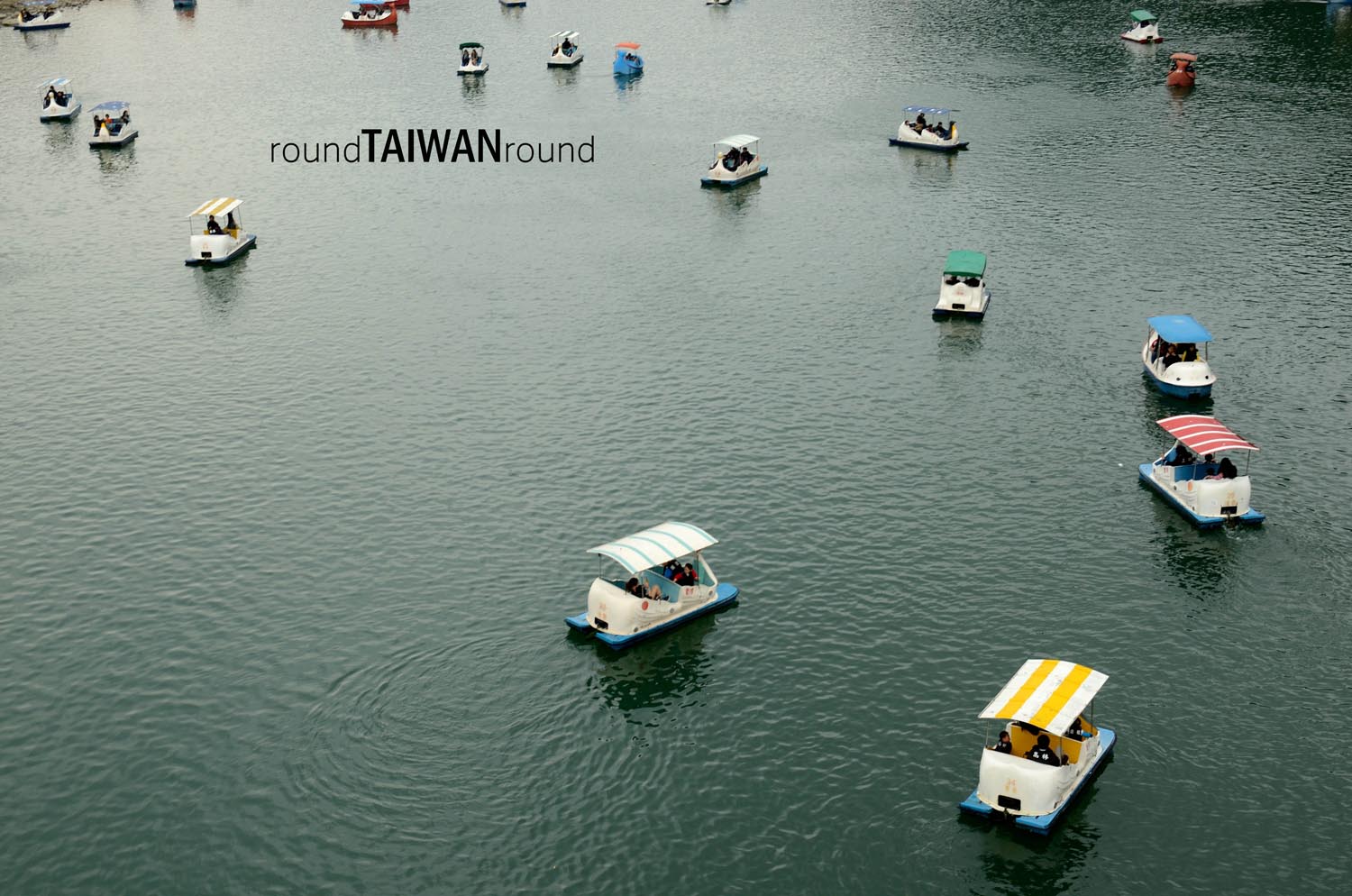 9
9Bitan
Within walking distance from MRT Xindian station, Bitan (literally “emerald lake” in Chinese) with its sheer landscape was named one of the eight wonders in Taiwan during the Japanese Colonial Era. It is a widened section of the Xindian Creek, a branch of Tamsui River, and is divided by the creek into the east and west bank areas. Each boasts a different view of Bitan.
The west bank is a lush grassed area dotted with steep cliff, giant rocks, ancient temples and walking trails, while the east bank is well-known for its well-organized bike path and high-end restaurants. During the day, water activities are plentiful, and many glide across the shimmering lake in a swan pedal boat. Last but not least, never leave without walking across the suspension bridge that connects two banks of the river as this is where you take in the best panoramic view of Bitan and its surroundings. Whether traveling with family, friends or the significant other, you are guaranteed to have an amazing time in this tranquil corner of the beautiful city of Taipei.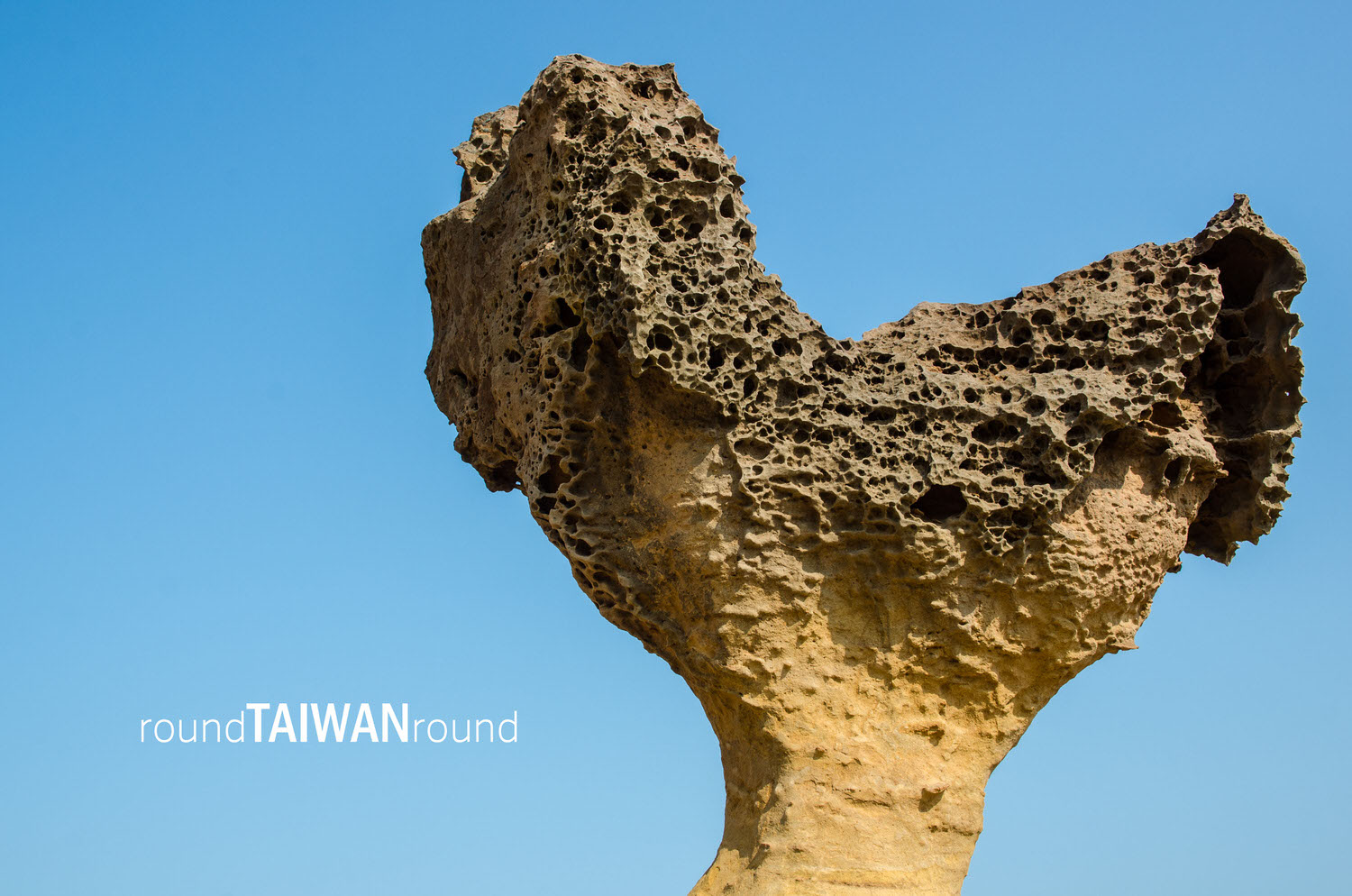 10
10Yehliu Geopark
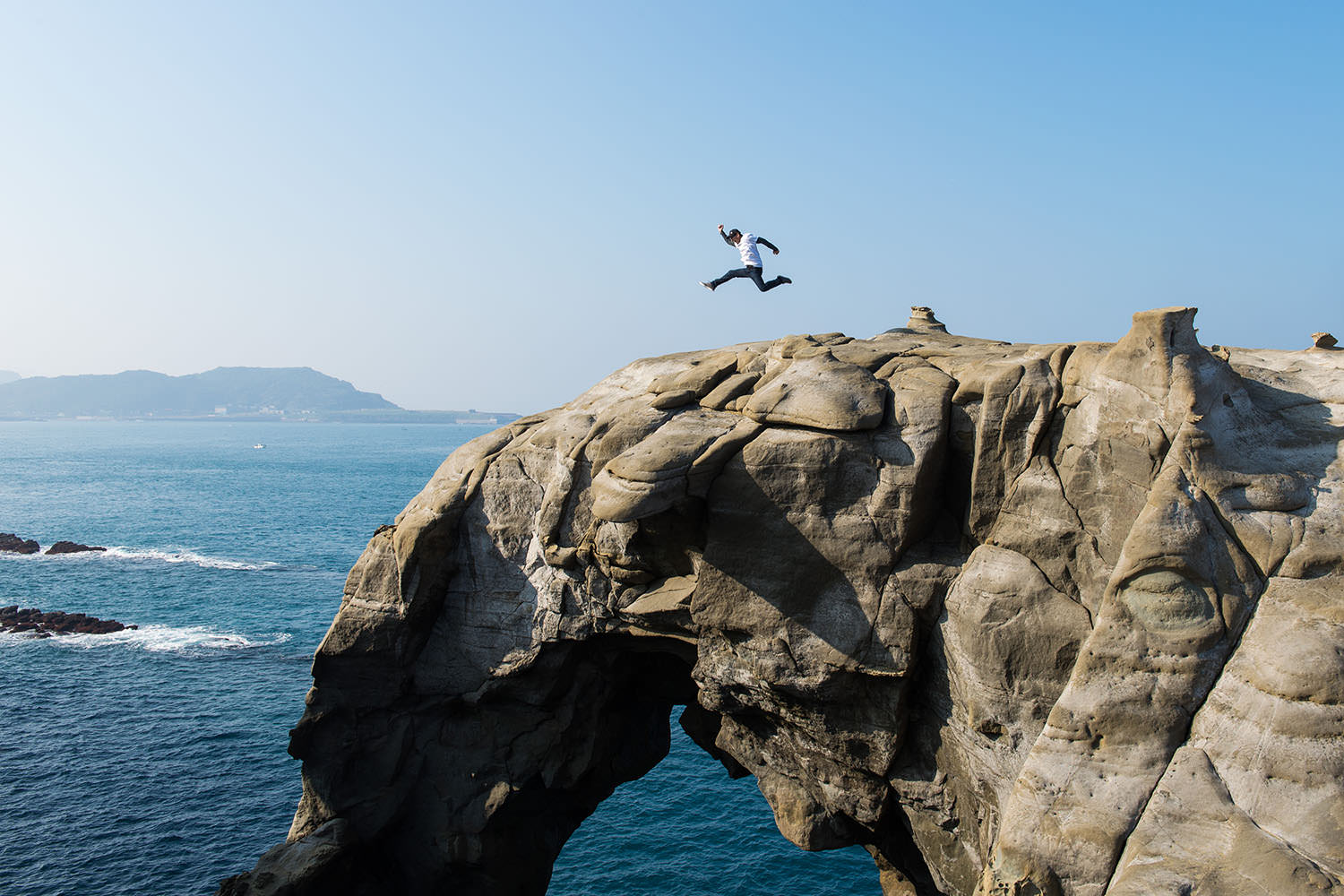
Yehliu Geological Park (野柳地質公園) resides within a cape 1.7km long and is home to some of the most famous eroded rock formations in the world. Due to the rather soft limestone composition of the rock layers, this area is prone to erosion from a combination of seawater, wave, and wind forces. The constant effect of these factors over time has resulted in a geological landscape that seems otherworldly.
Both a museum and scenic attraction, the Geopark offers extensive information on the natural geological processes that created these rock formations. Many formations have been given names representing their shapes, such as the “Mushroom Rocks”, “Sea Candles”, and “Fairy Shoe”. The most iconic rock is the “Queen's Head”, which, true to any noble monarch, only reveals its majesty when viewed from the proper angle.
Yehliu also boasts an ecology reserve and the country's first marine park. Taking a short walk beyond the Geopark will bring you to the top of a cliff offering an outstanding 360 degree view of the North Coast and Pacific Ocean. For a great family adventure, visit the Yehliu Ocean World where you'll be treated to acrobatic dolphin, whale, and seal shows, or “dive” under the ocean with a stroll through the 100 meter long transparent undersea tunnel. If you prefer an educational and scenic tour at the same time in northern Taiwan, Yehliu will be your best choice!
Due to the constant erosion caused by wind and waves, the rock formations are in a delicate state of transformation. Please do not touch any of the eroded rock forms (especially the Queen's Head) and always stay behind the painted boundary lines. The stone and wood walkways are often wet from the waves or rain and can be slippery, so please watch your step.